A Remarkable 19th-Century Chapel Reimagined by Architects – Montpellier, South of France
- 945 000€

- Chapel
- 218,10 m²
- 2
- 1
- 2
- 1894
- 945 000€
Description
Some properties are chosen by comparison. Others are chosen precisely because they resist comparison.
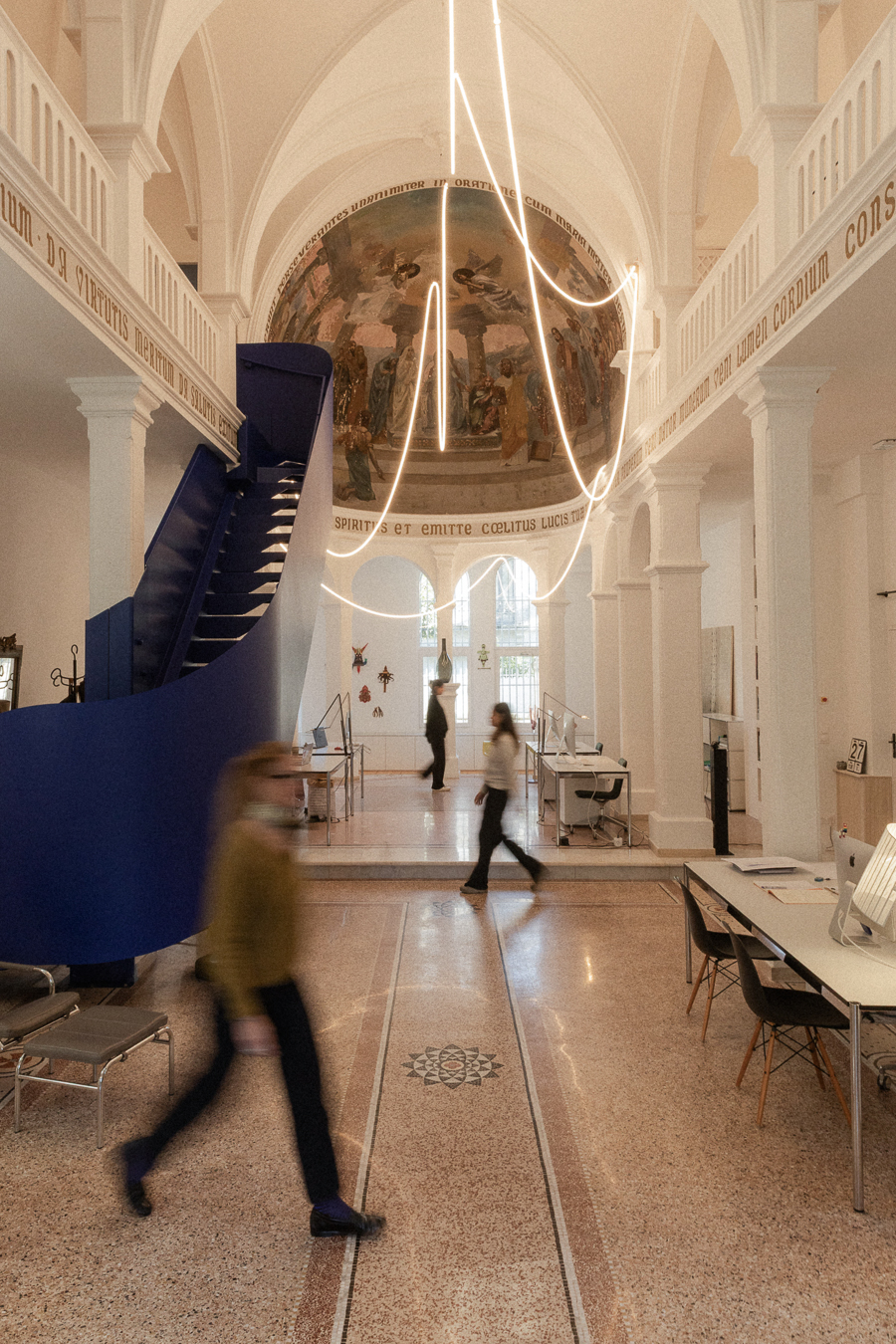
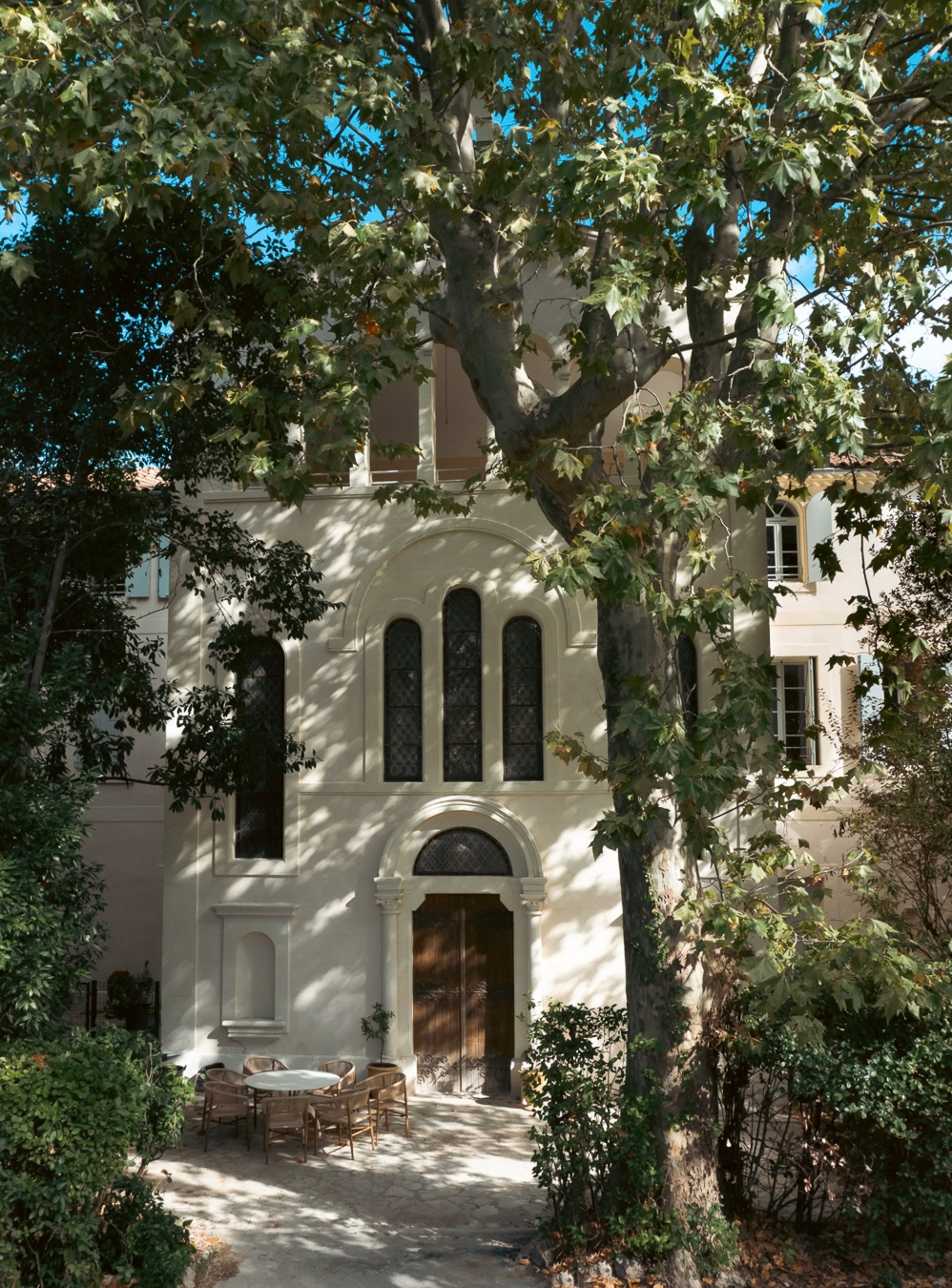
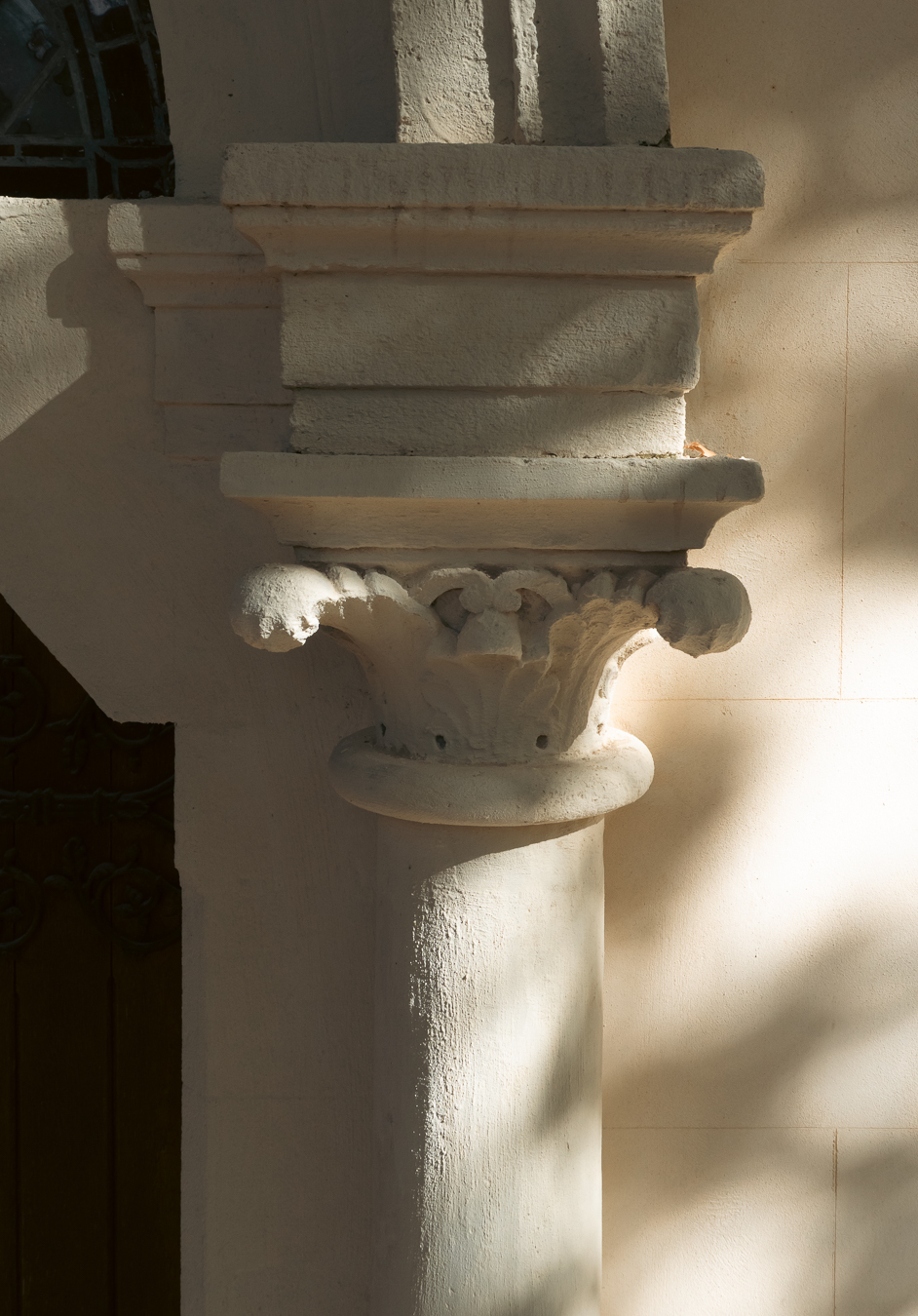
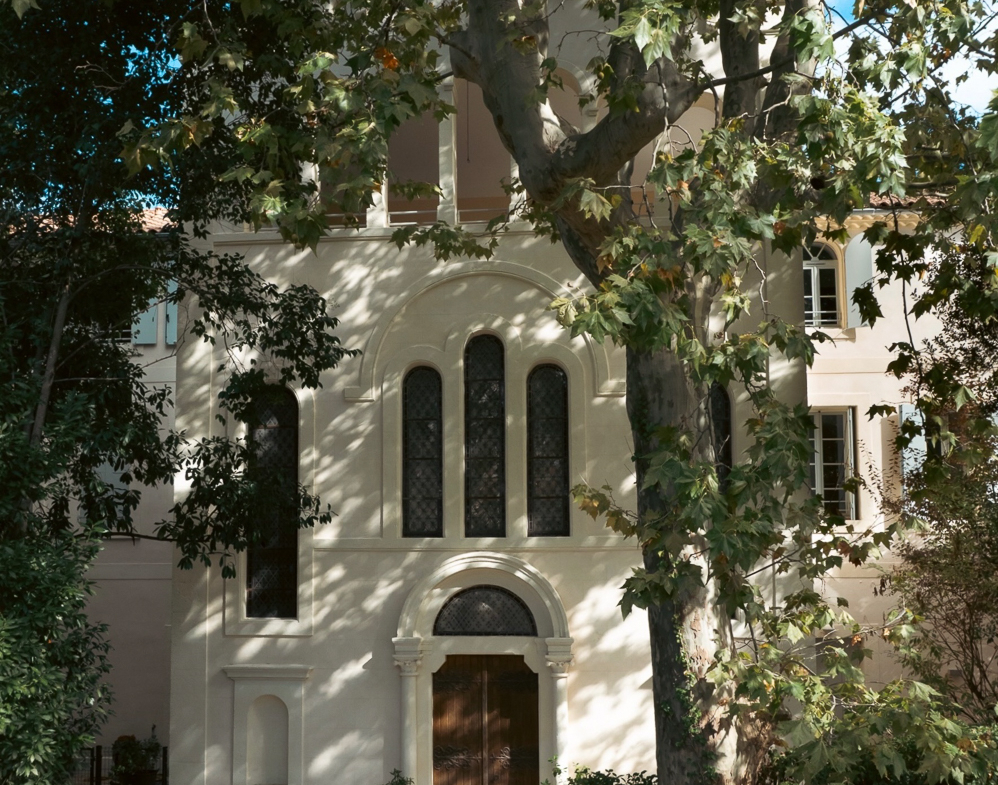
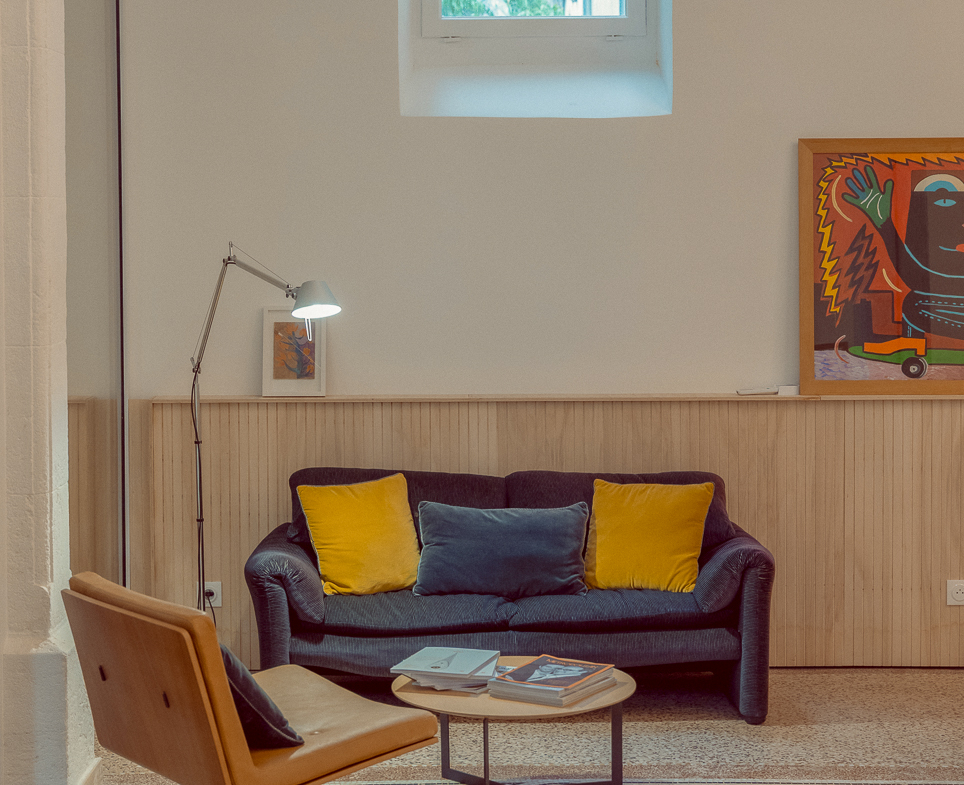
Built in 1894 as part of a former convent, this remarkable chapel offers approximately 218 sq m (2,347 sq ft) in a leafy 5,700 sq m (1.4-acre) setting in Boutonnet, Montpellier.
Its transformation was undertaken by a Montpellier-based architectural practice with the approval of the Architecte des Bâtiments de France (ABF), the French authority responsible for safeguarding architectural heritage.
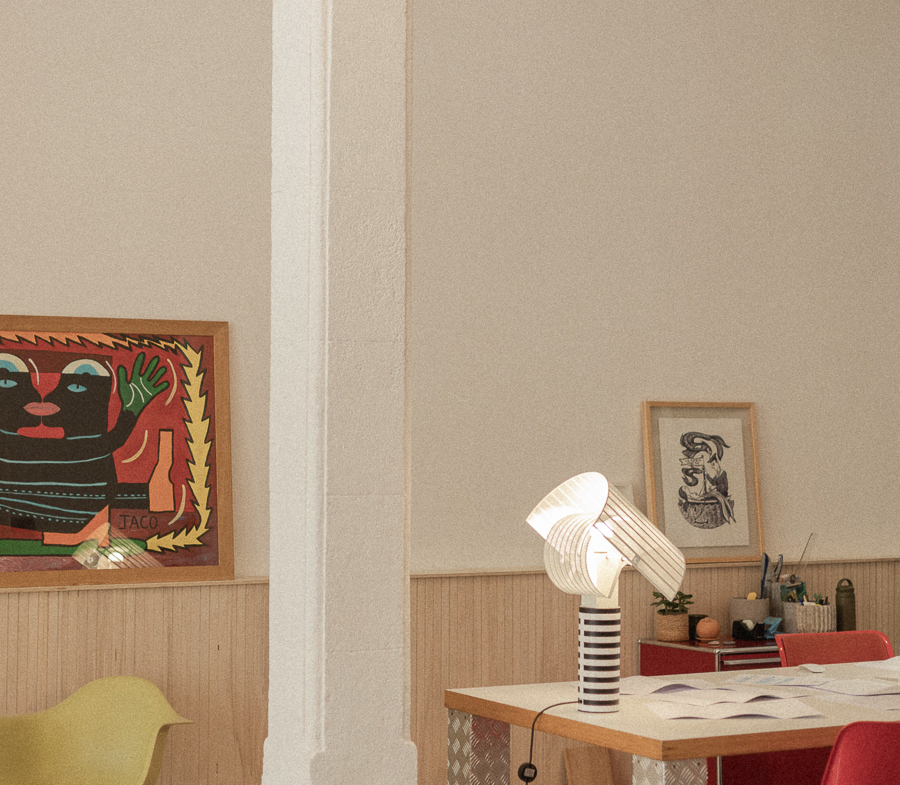
The result is a striking dialogue between historic architecture and contemporary design.
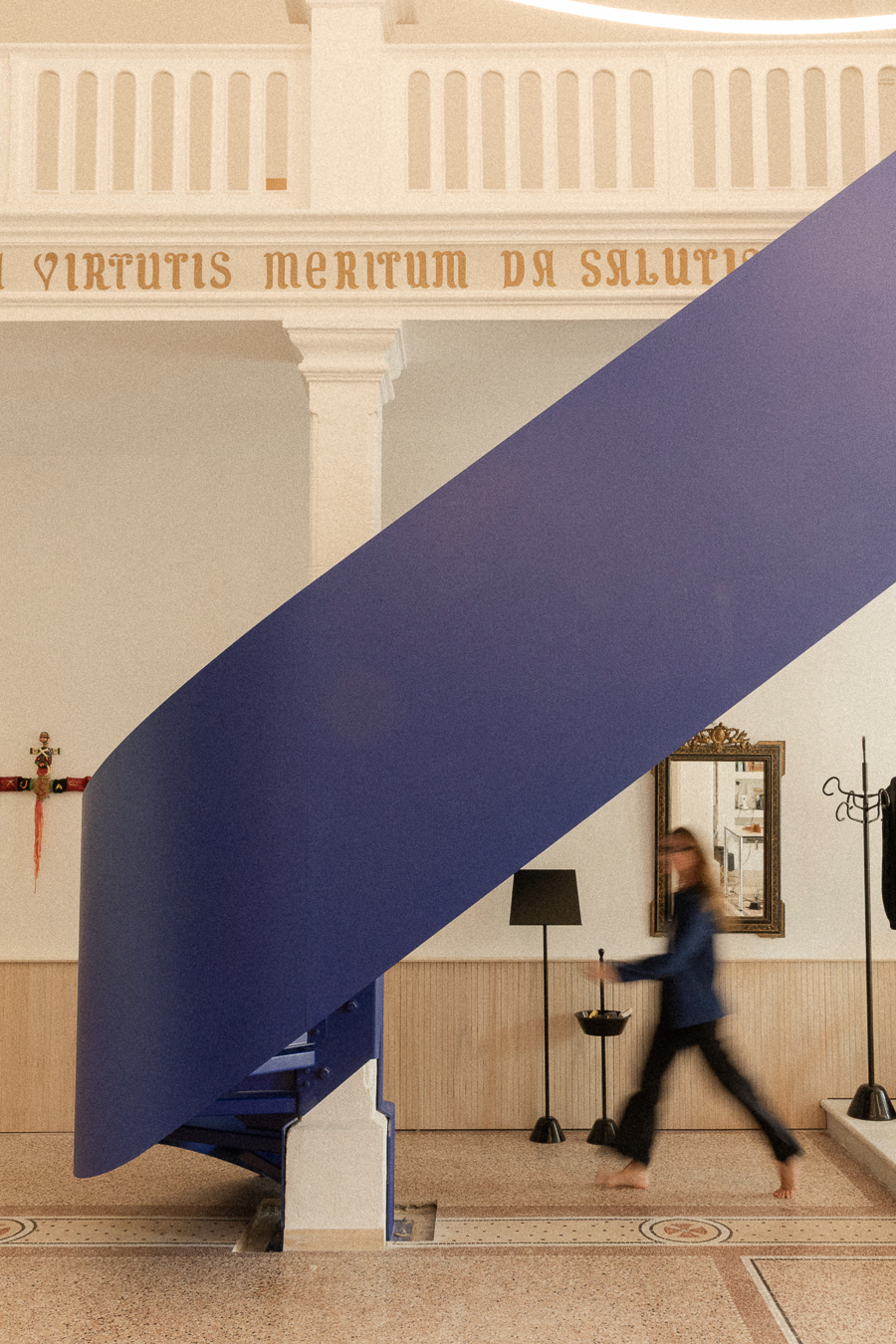
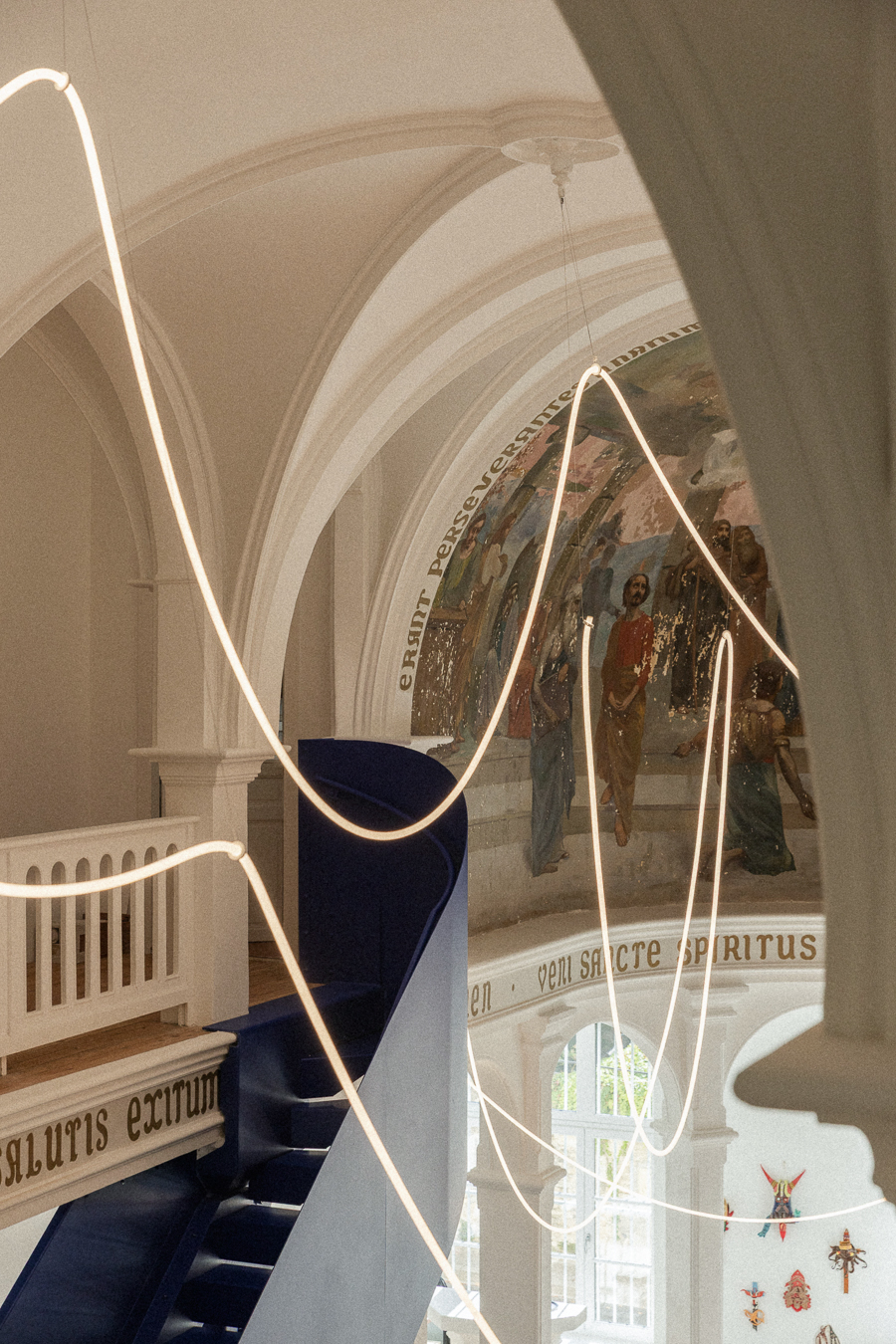
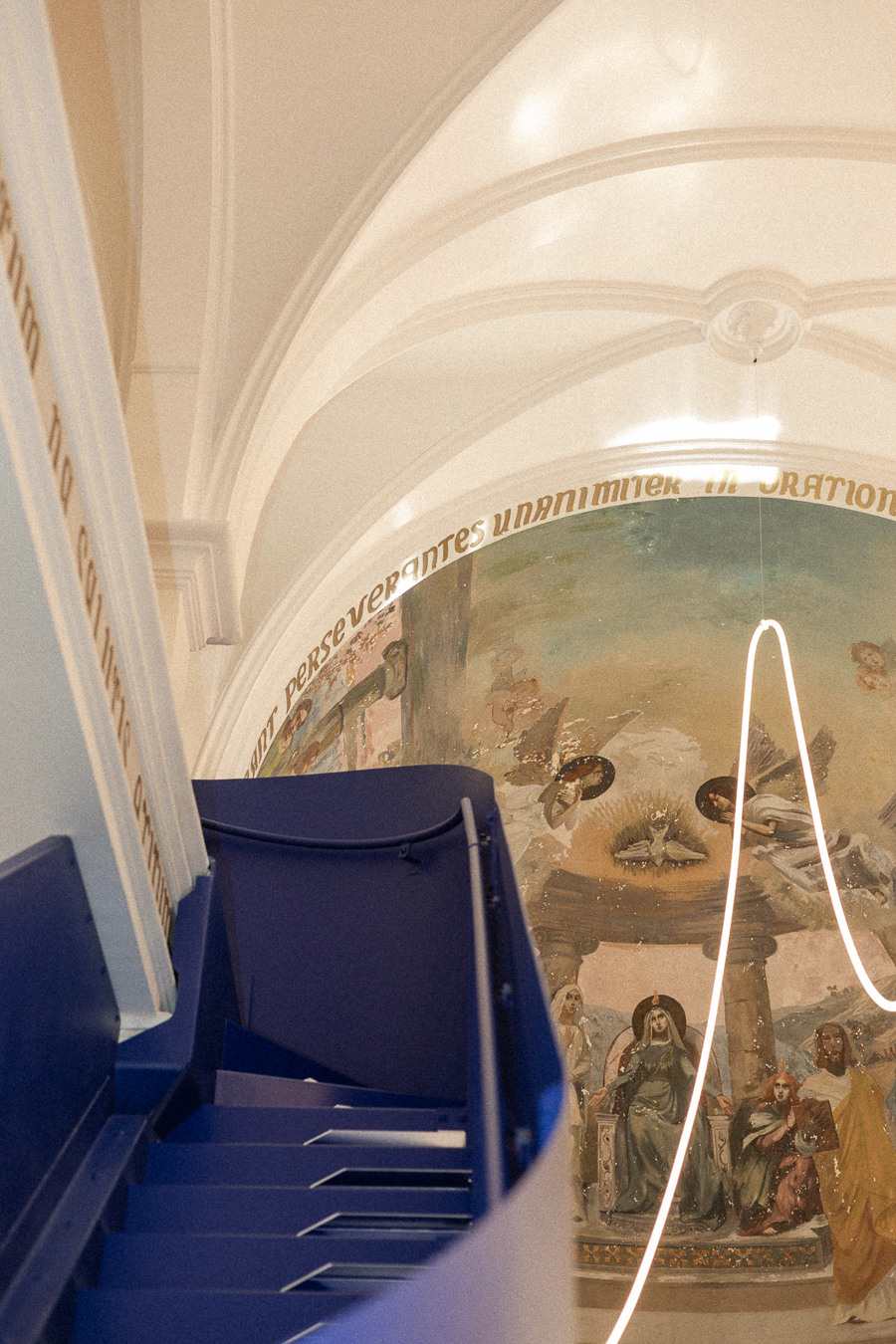
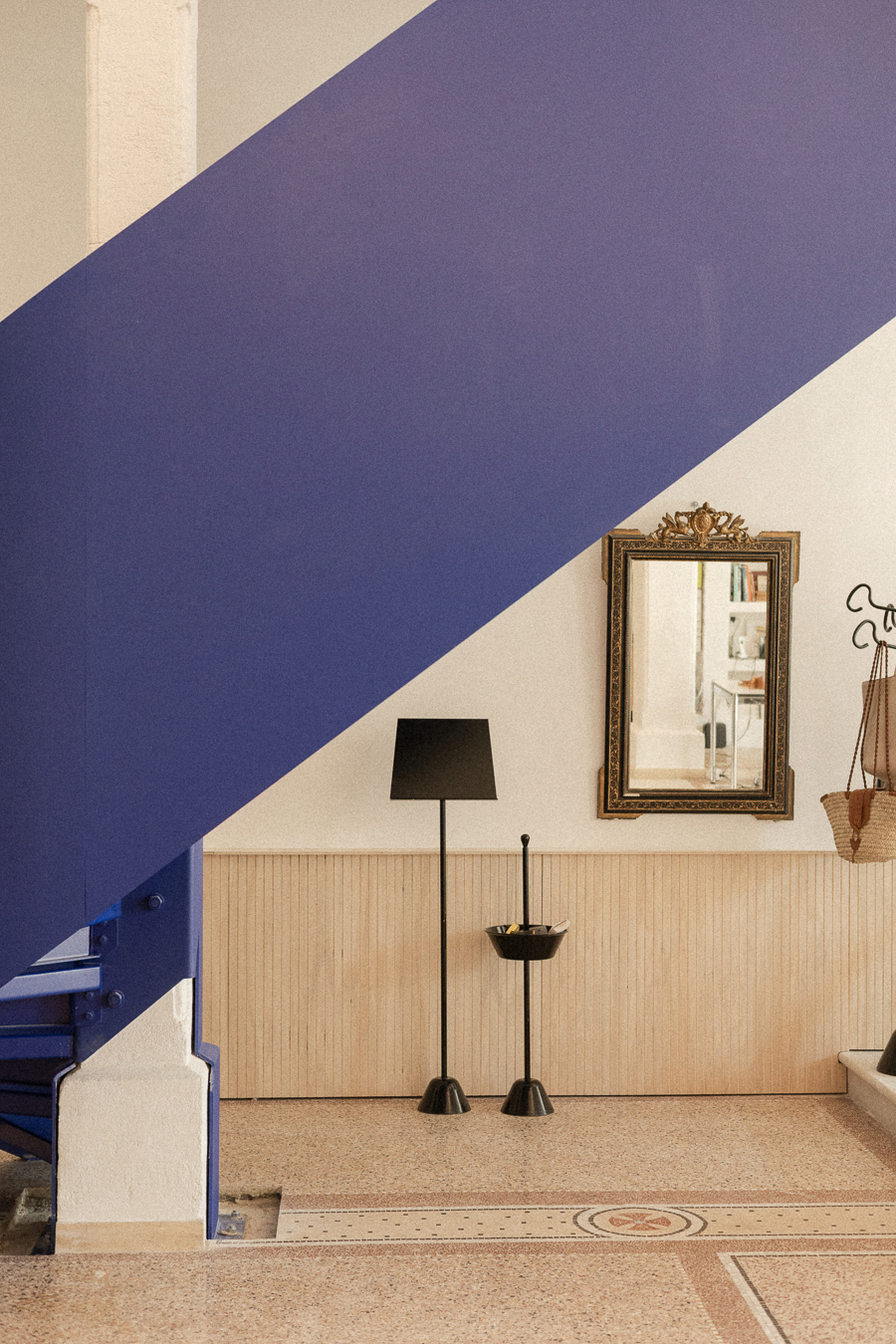
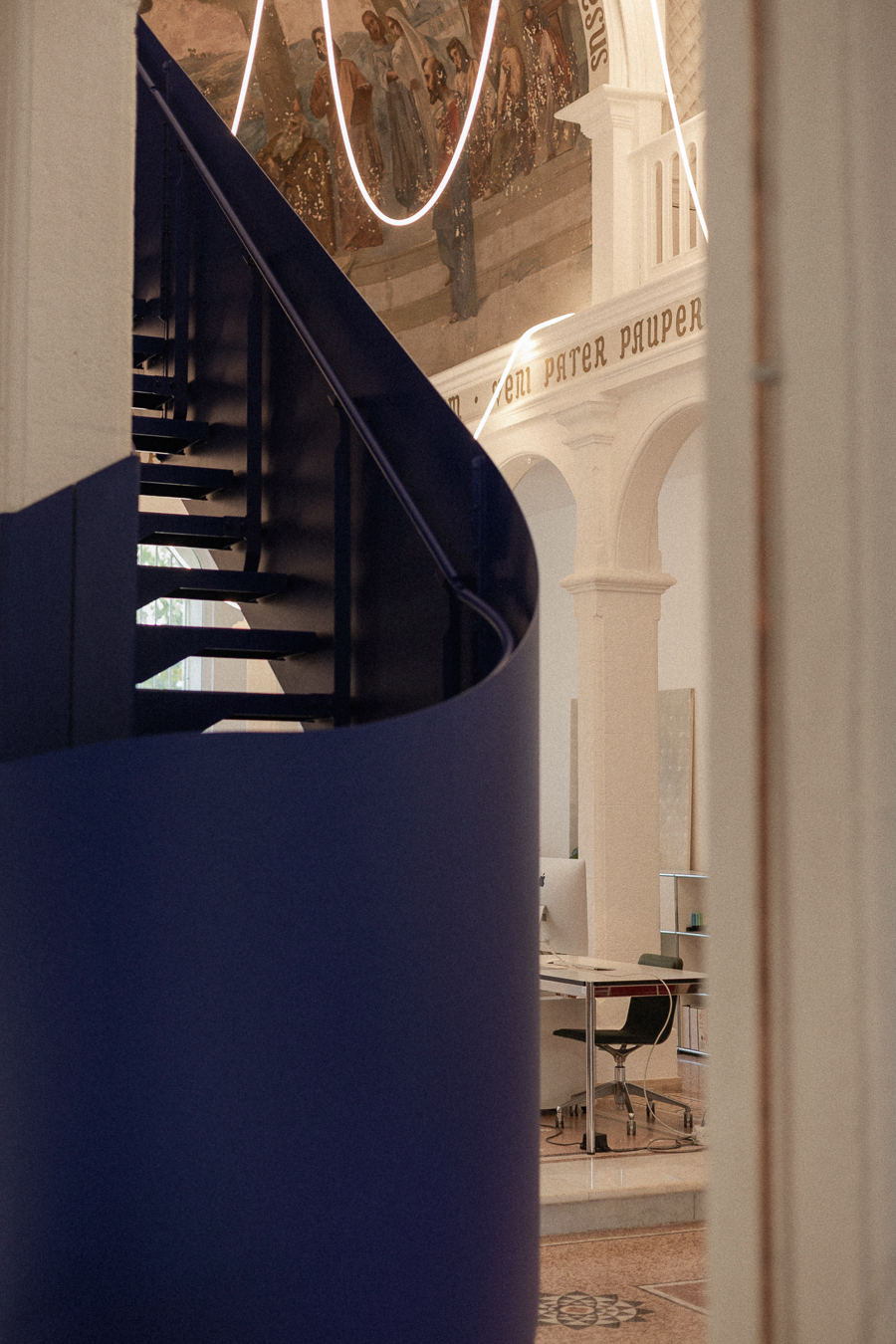
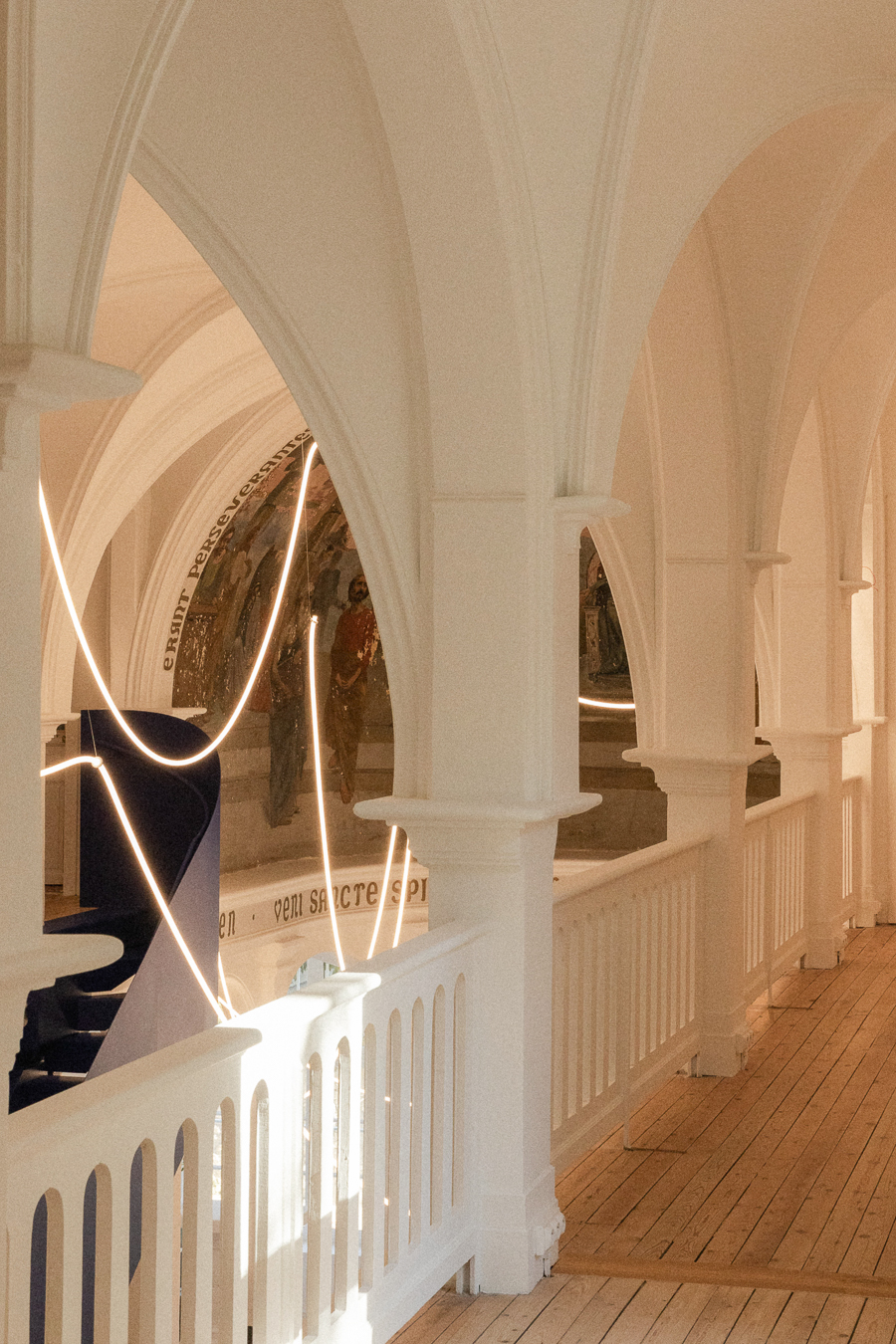
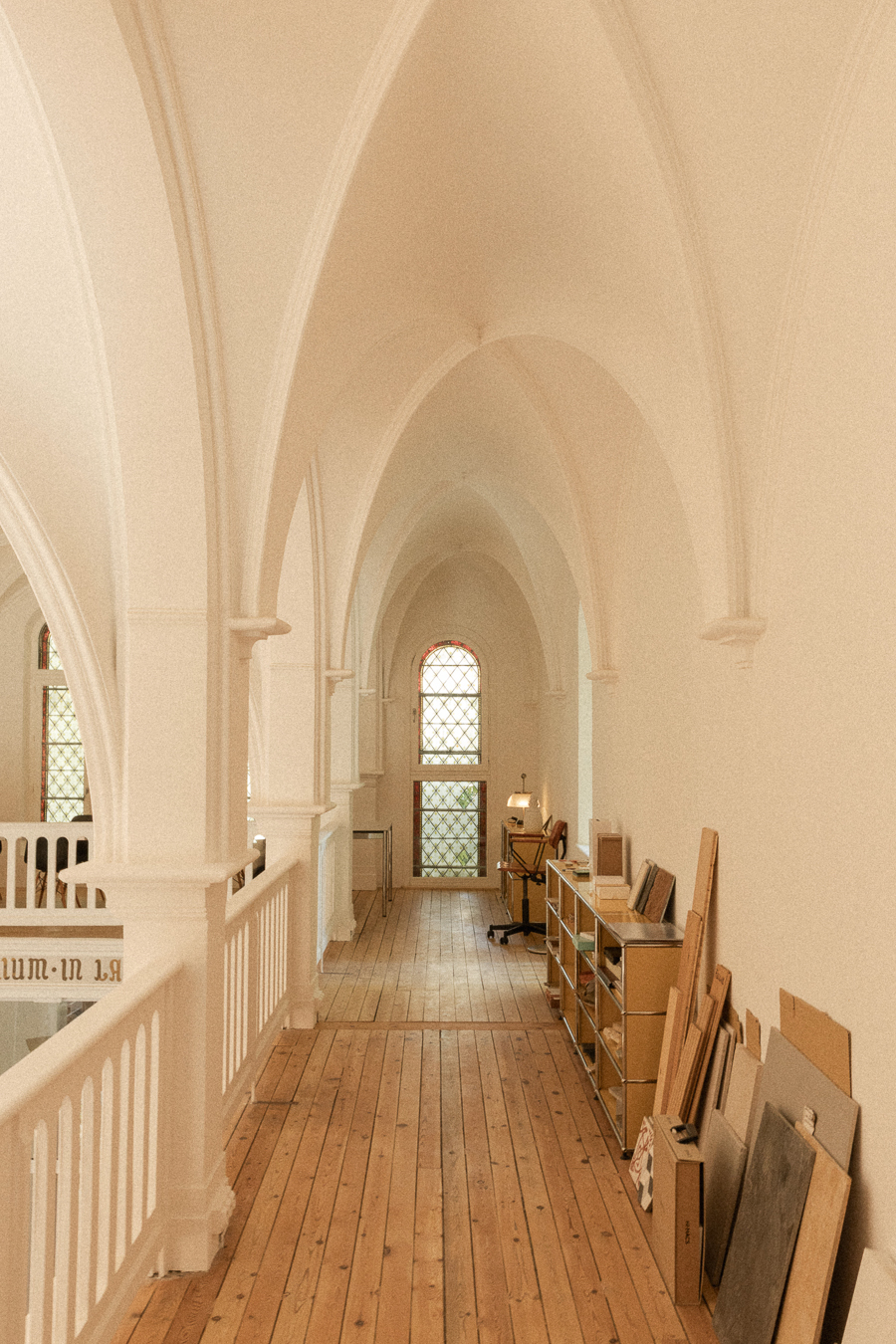
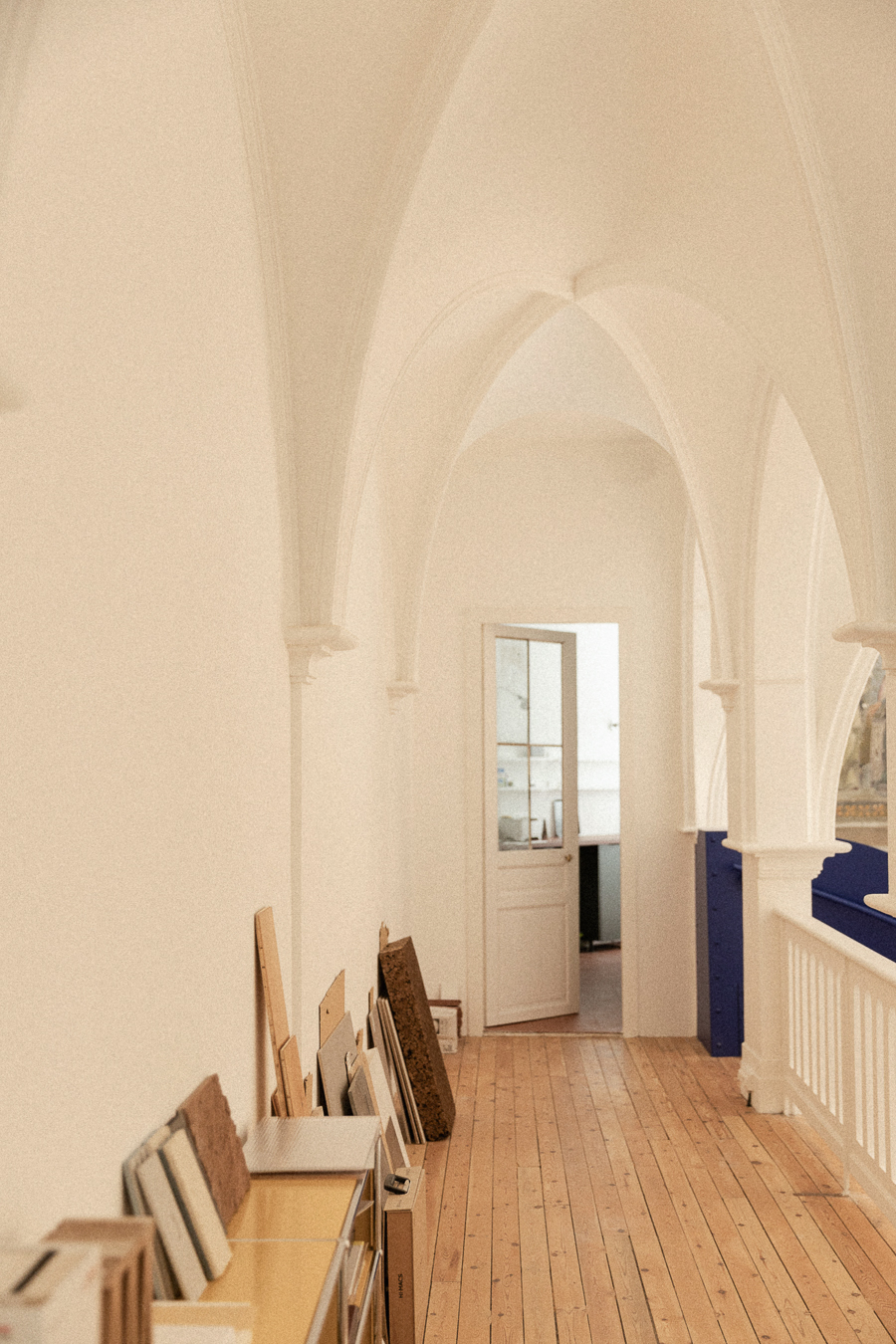
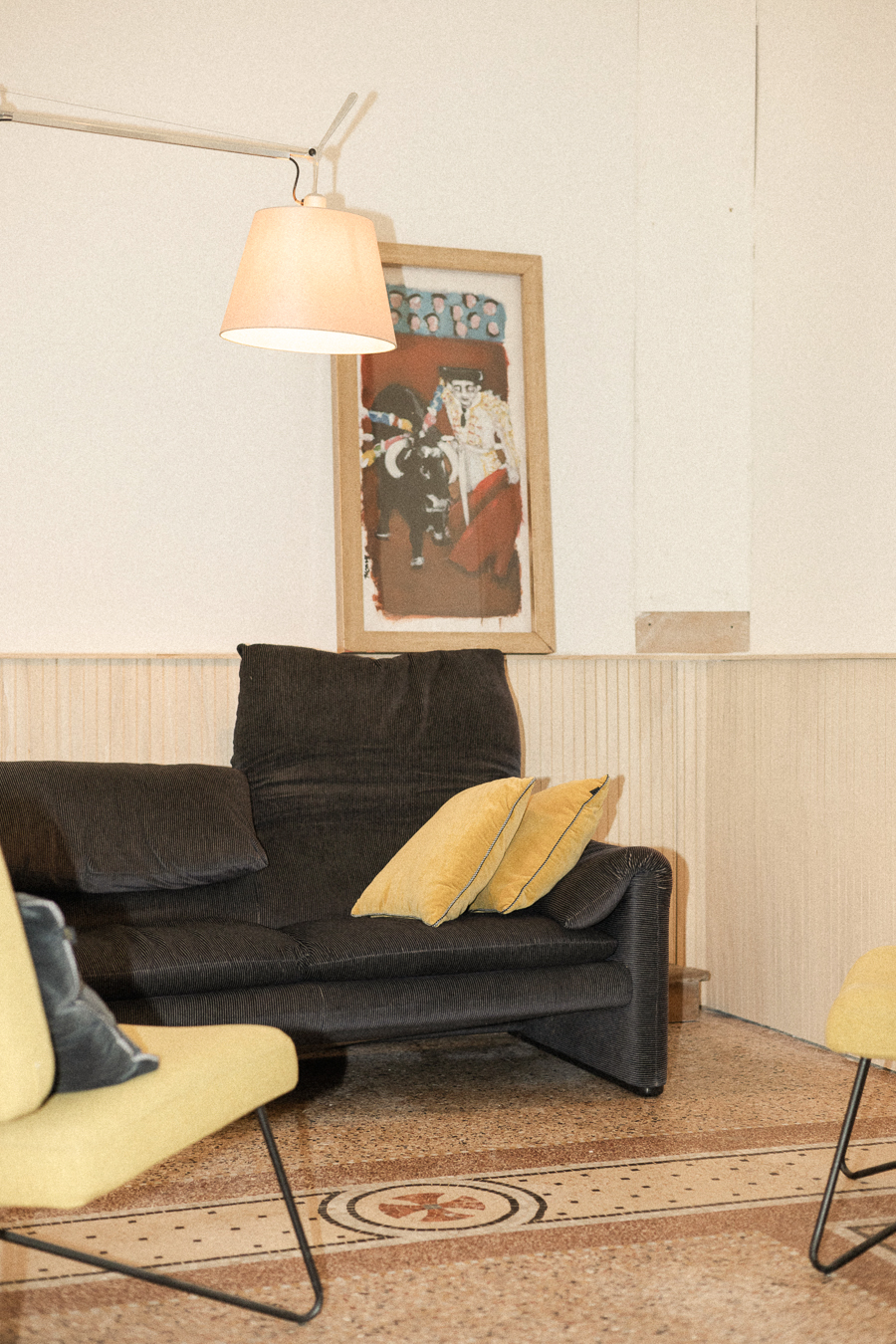
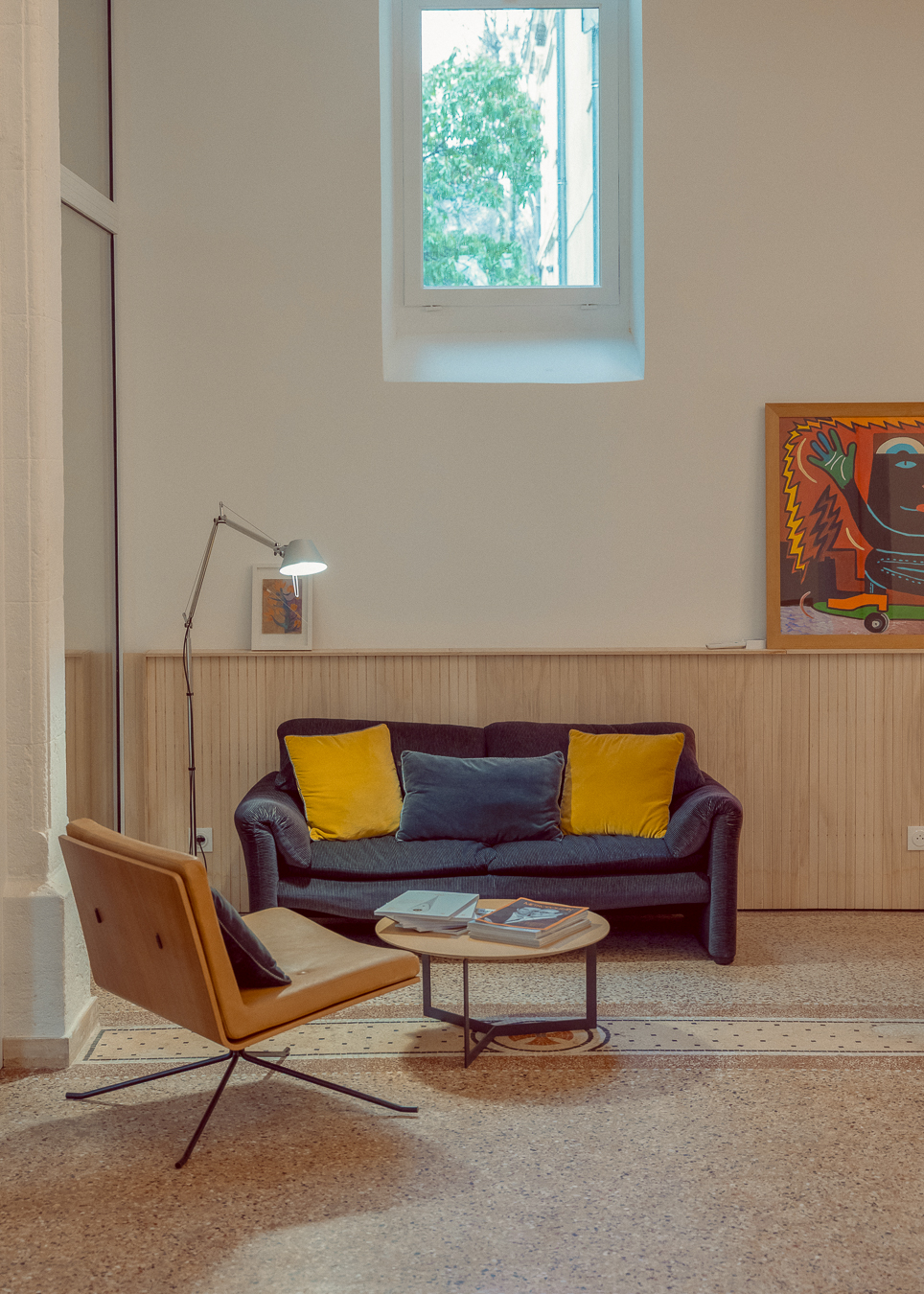
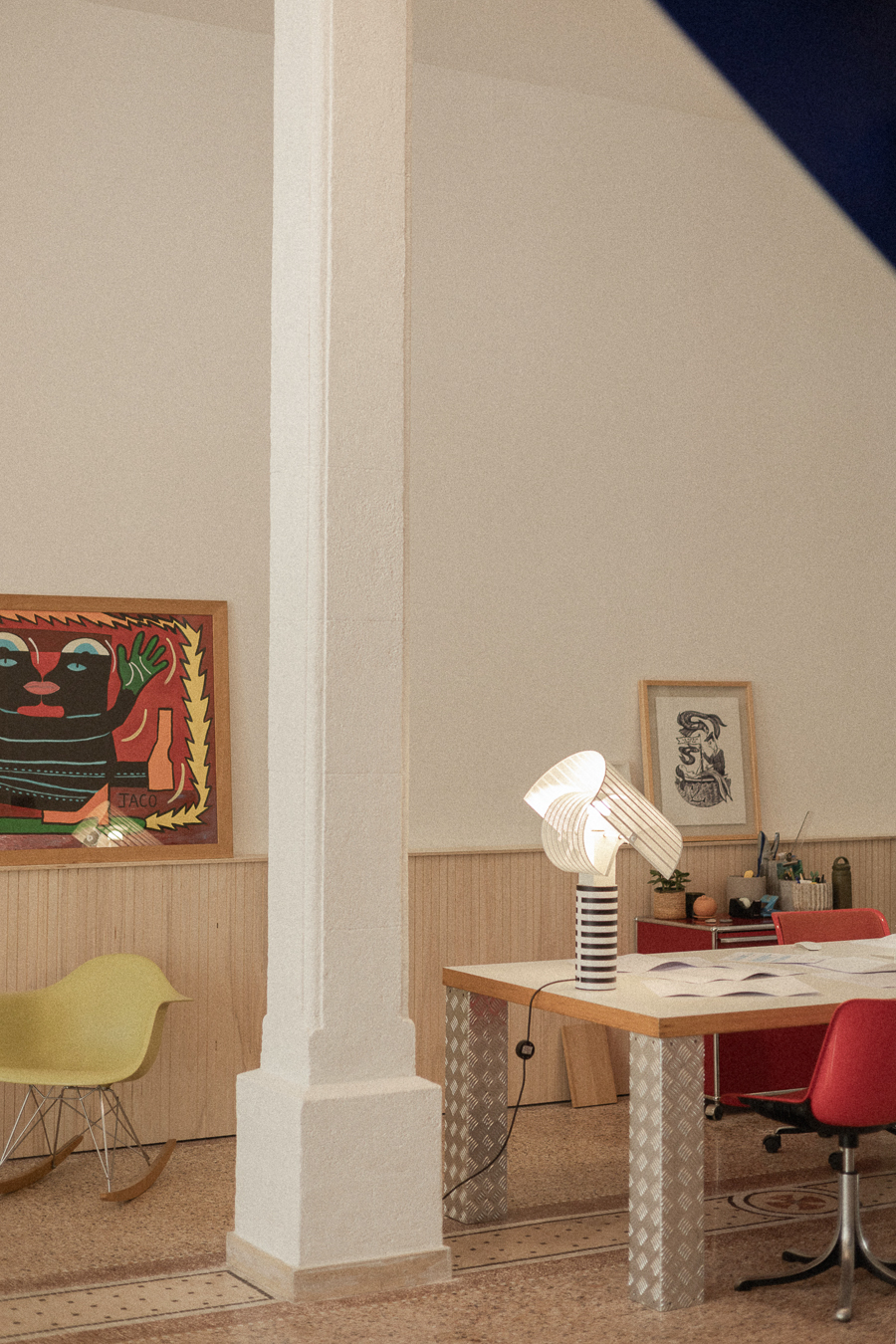
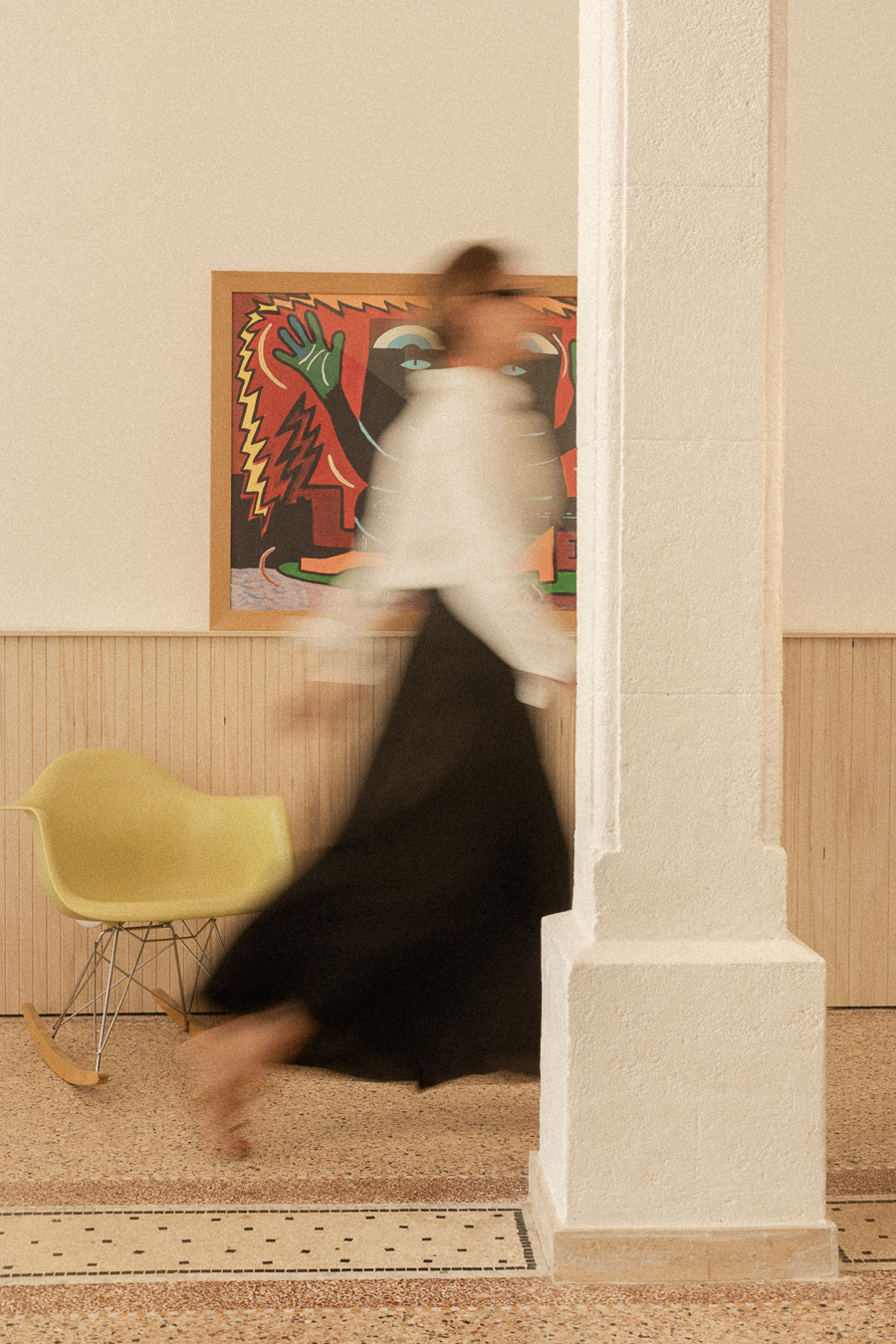
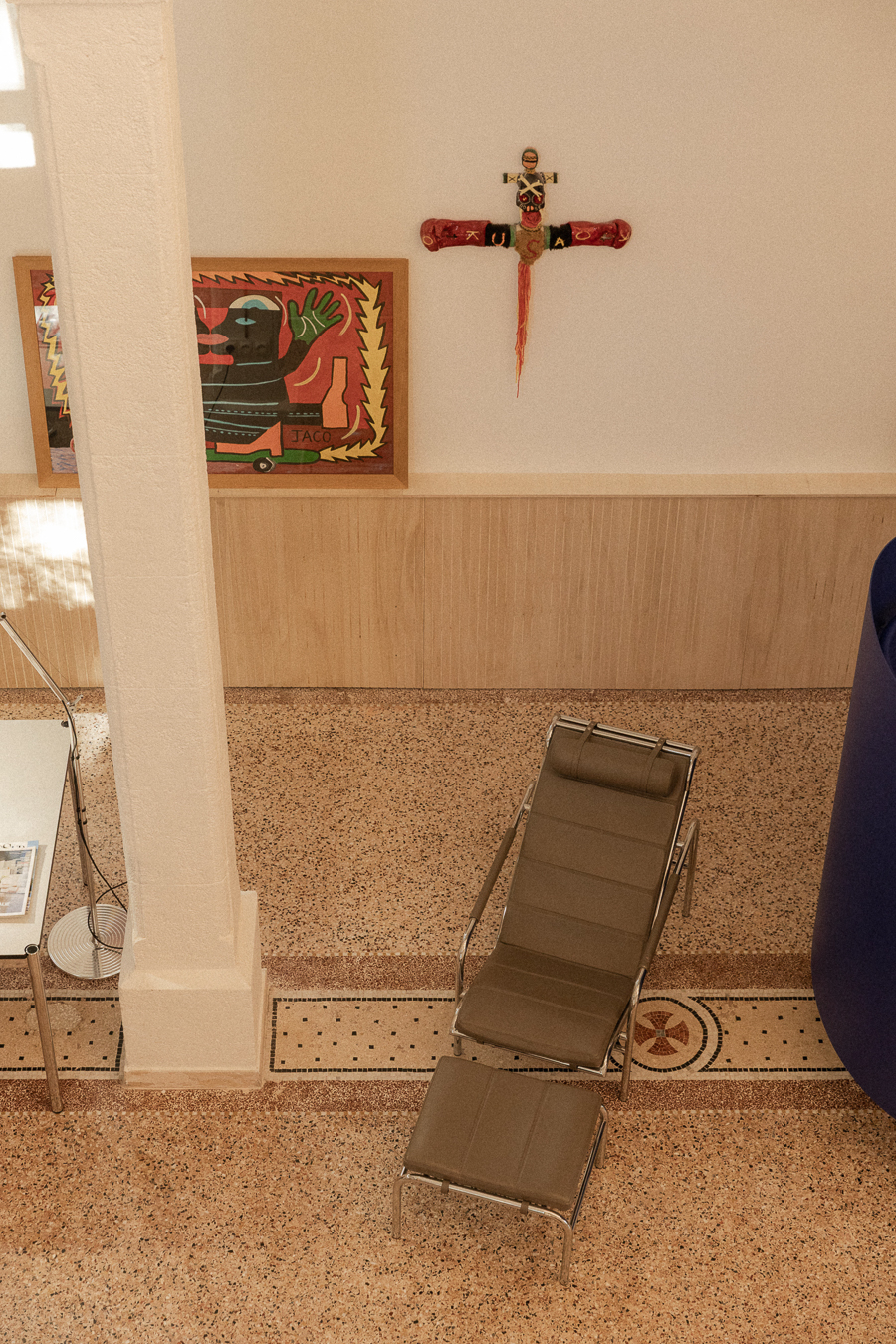
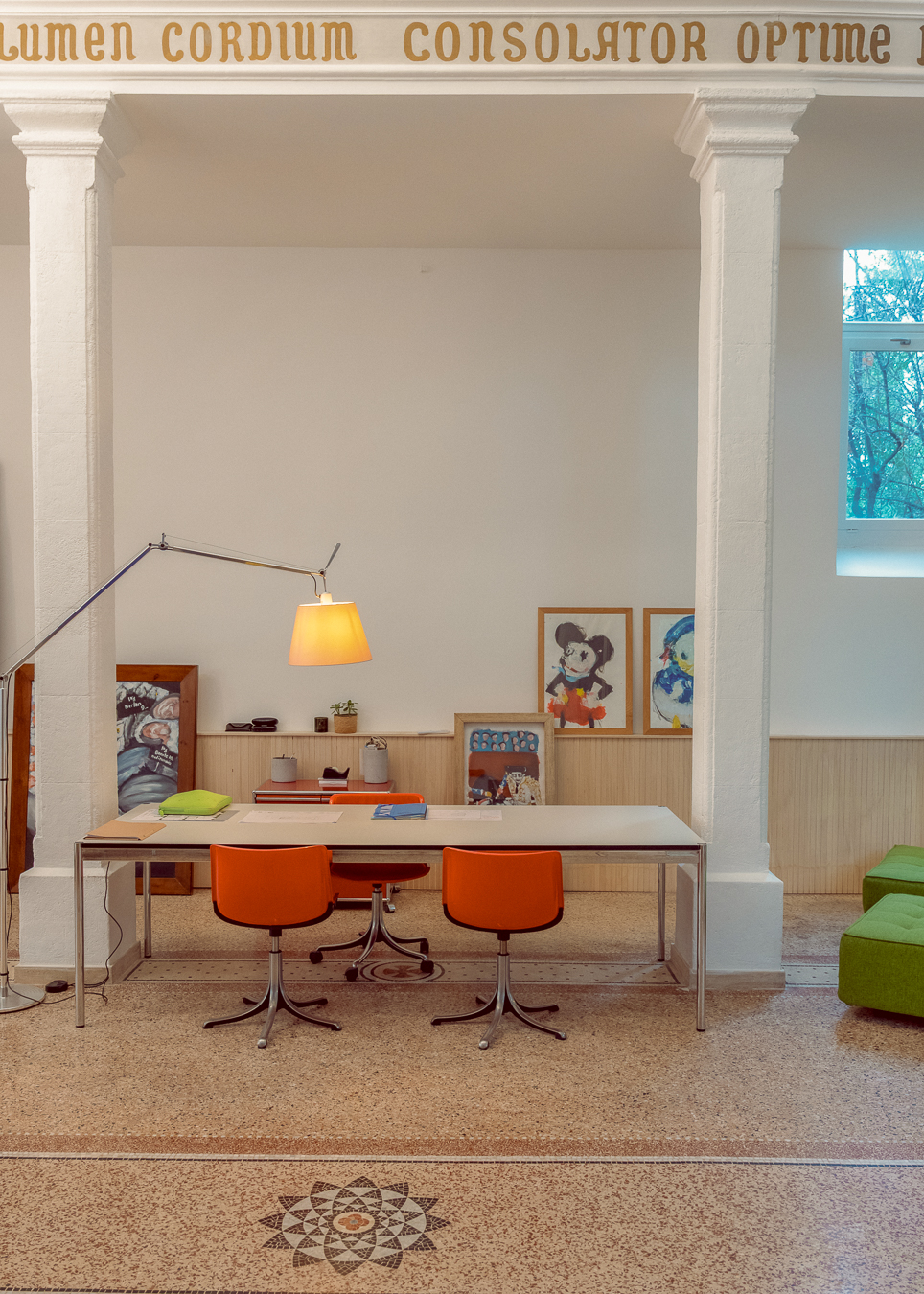
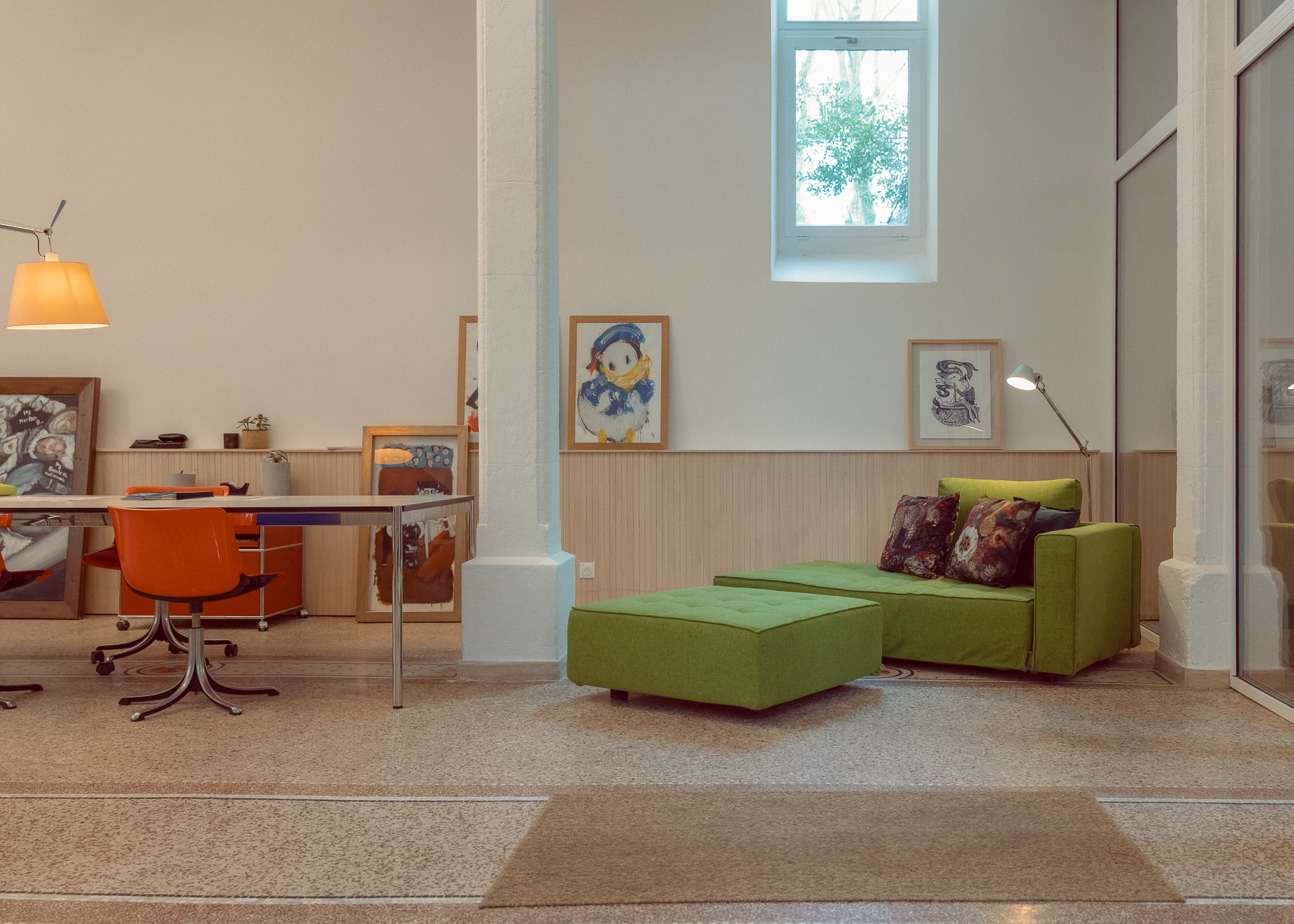
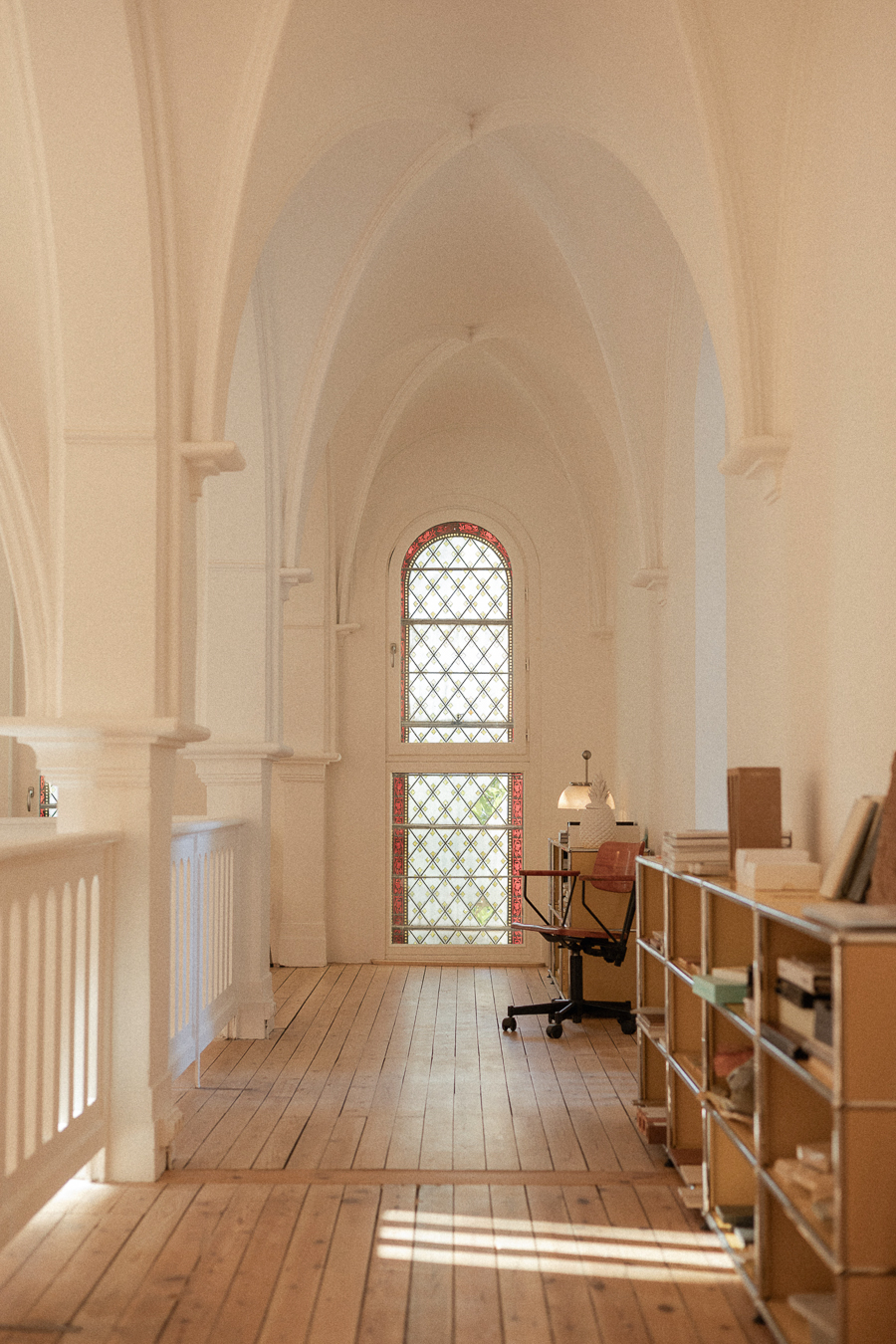
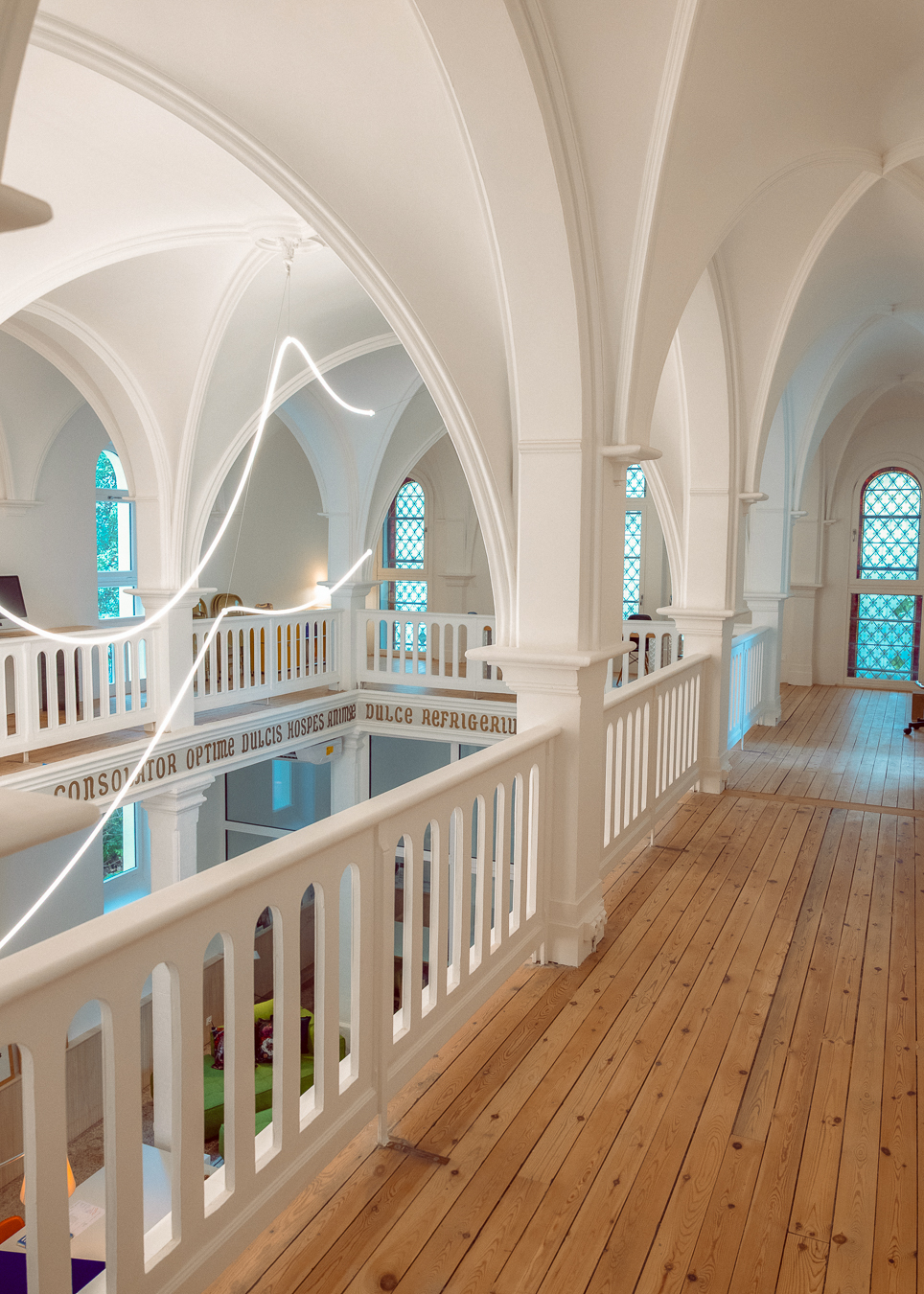
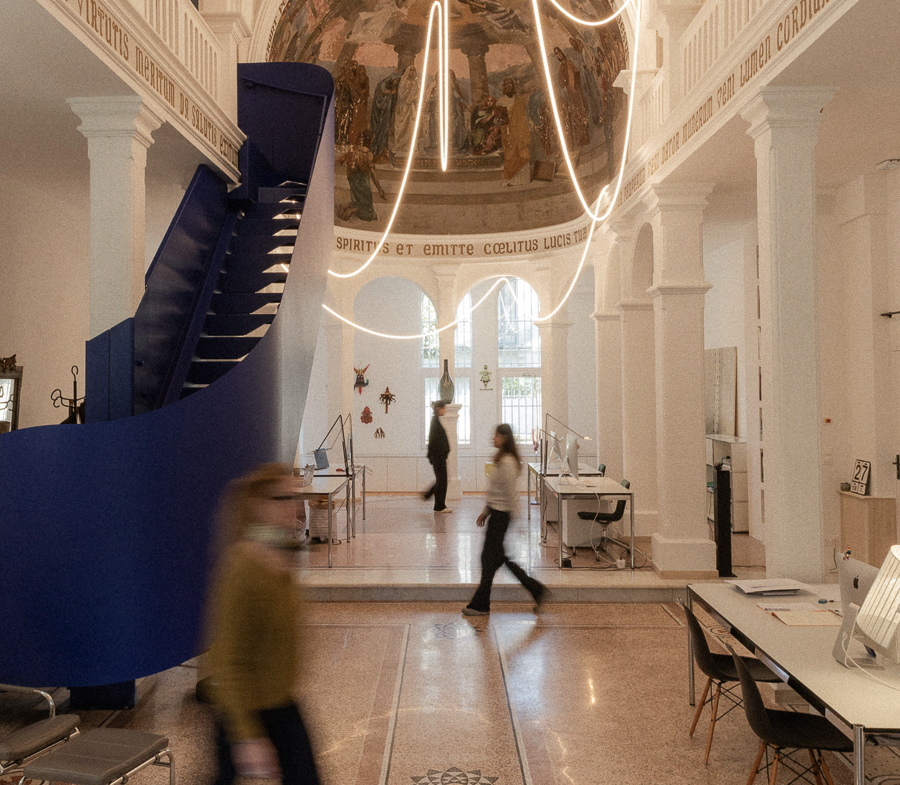
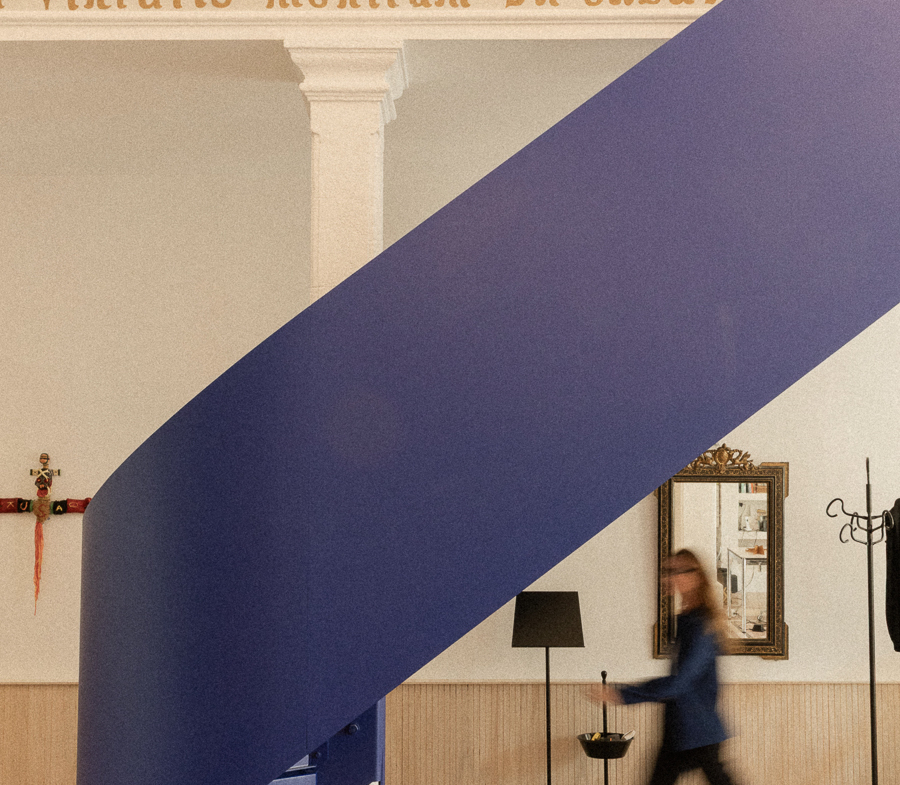
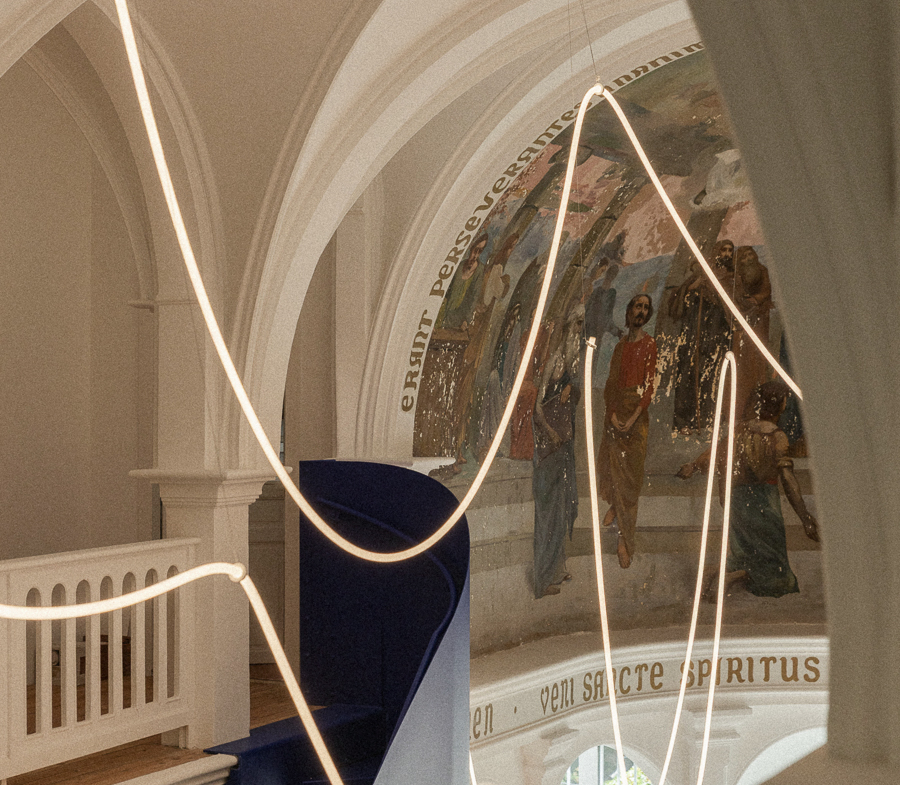
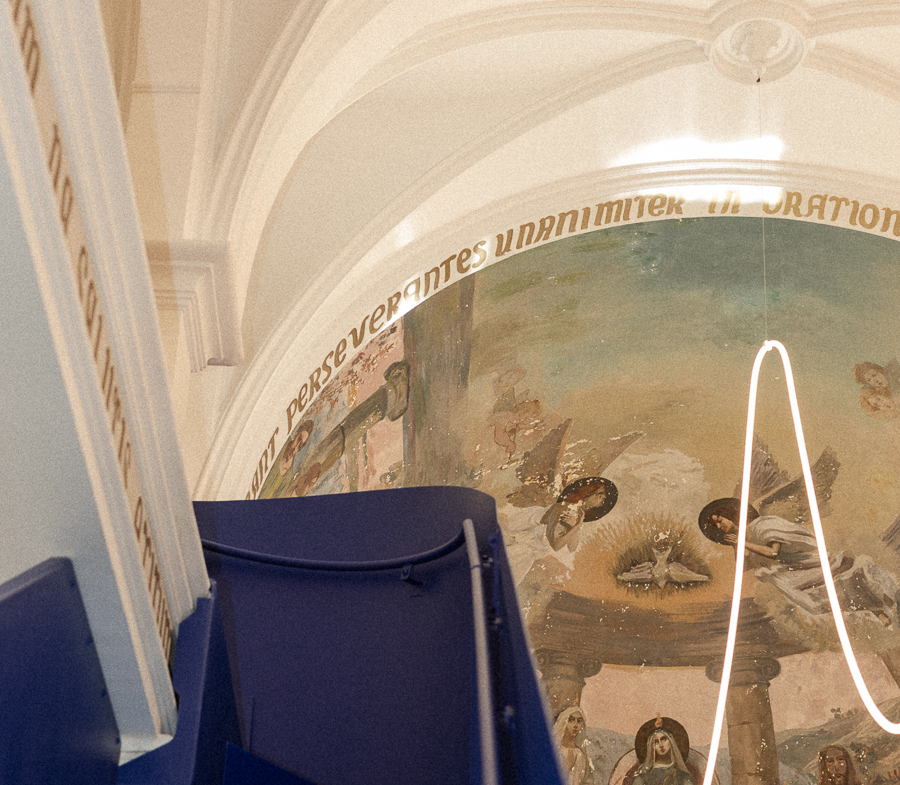
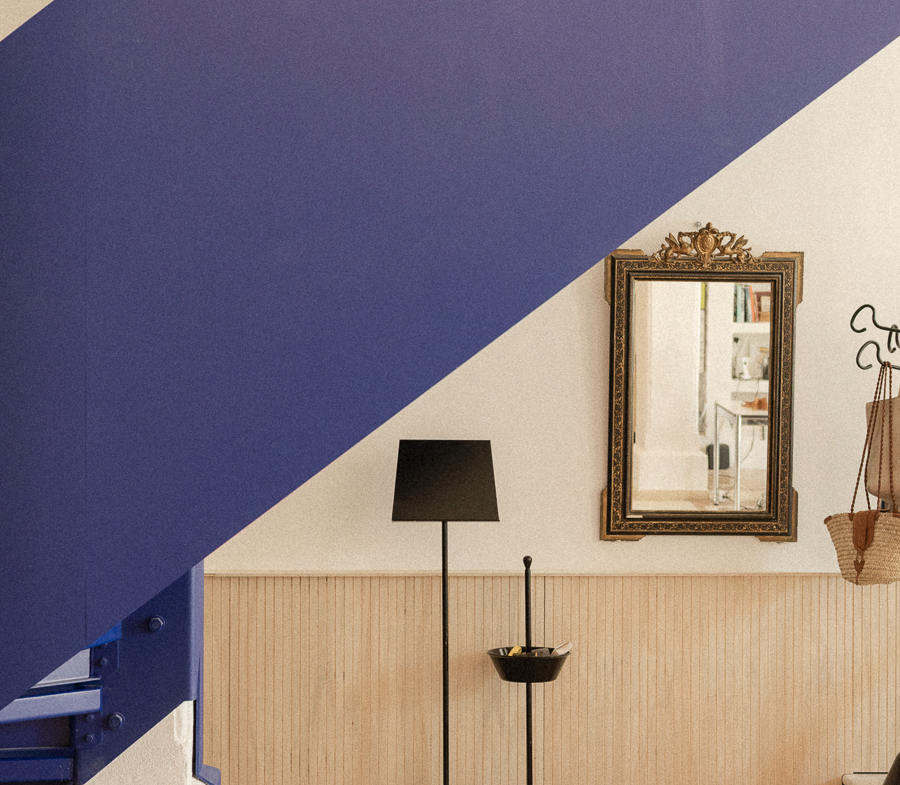
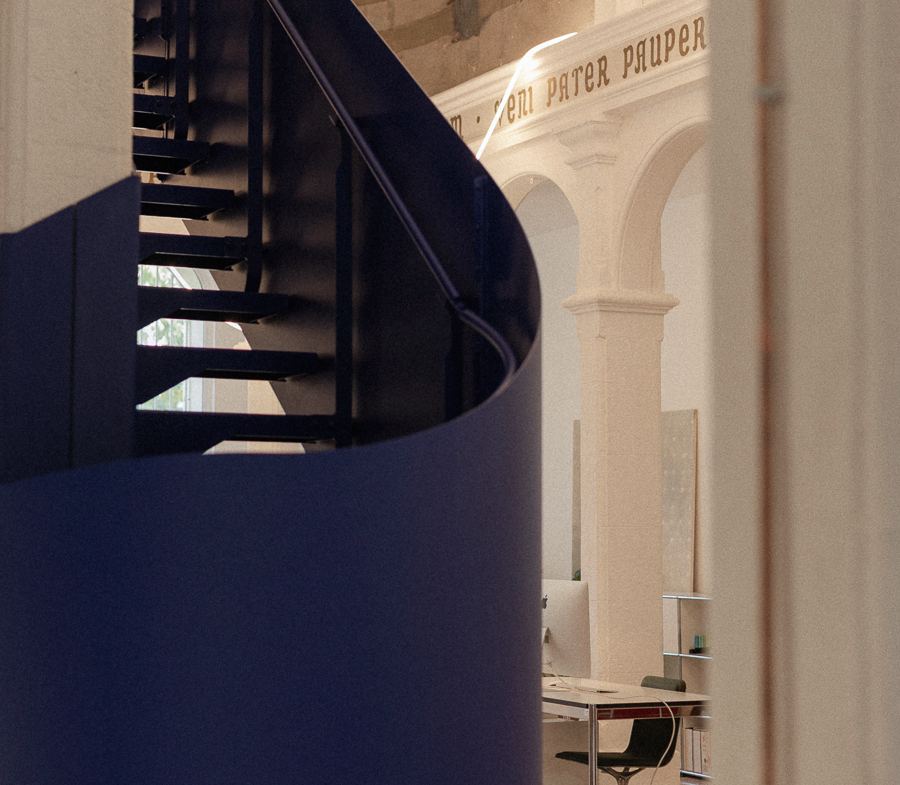
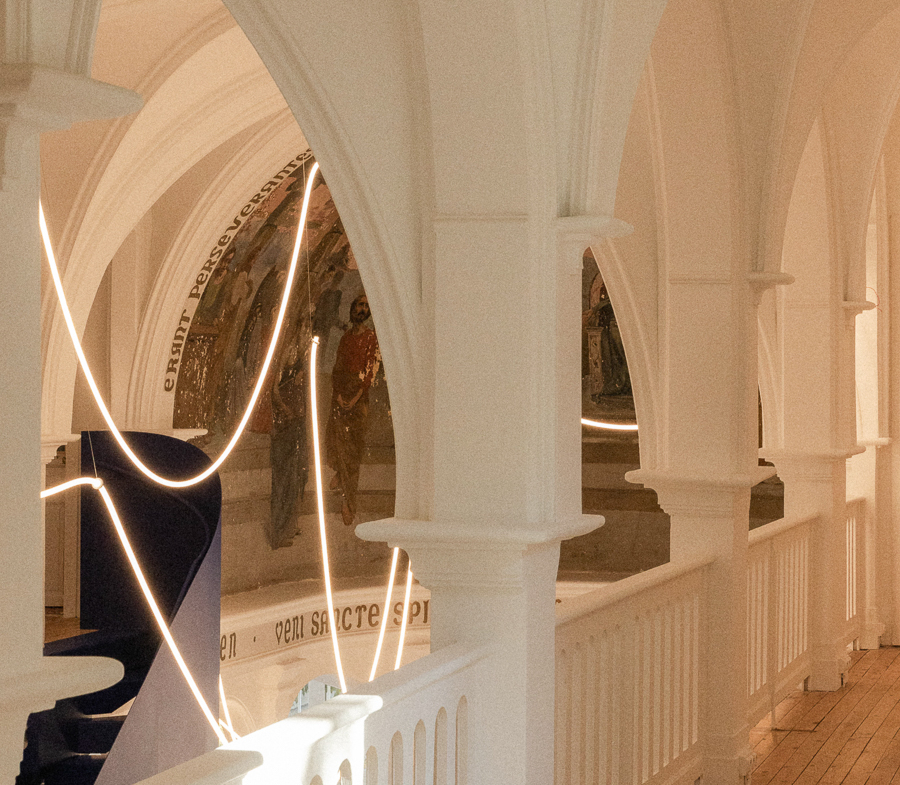
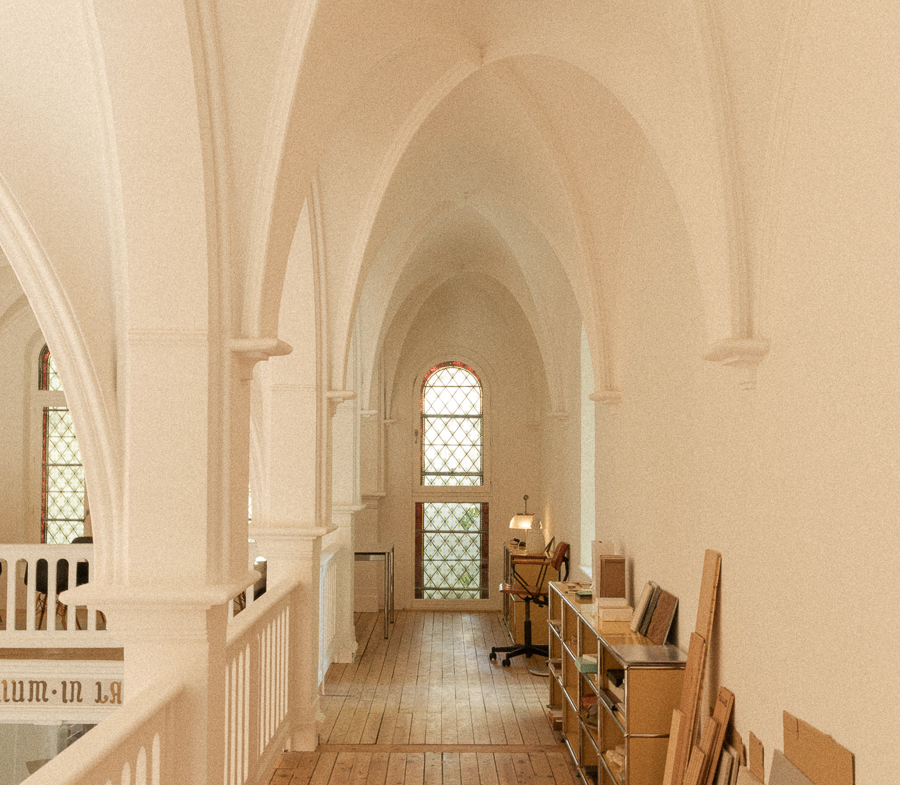
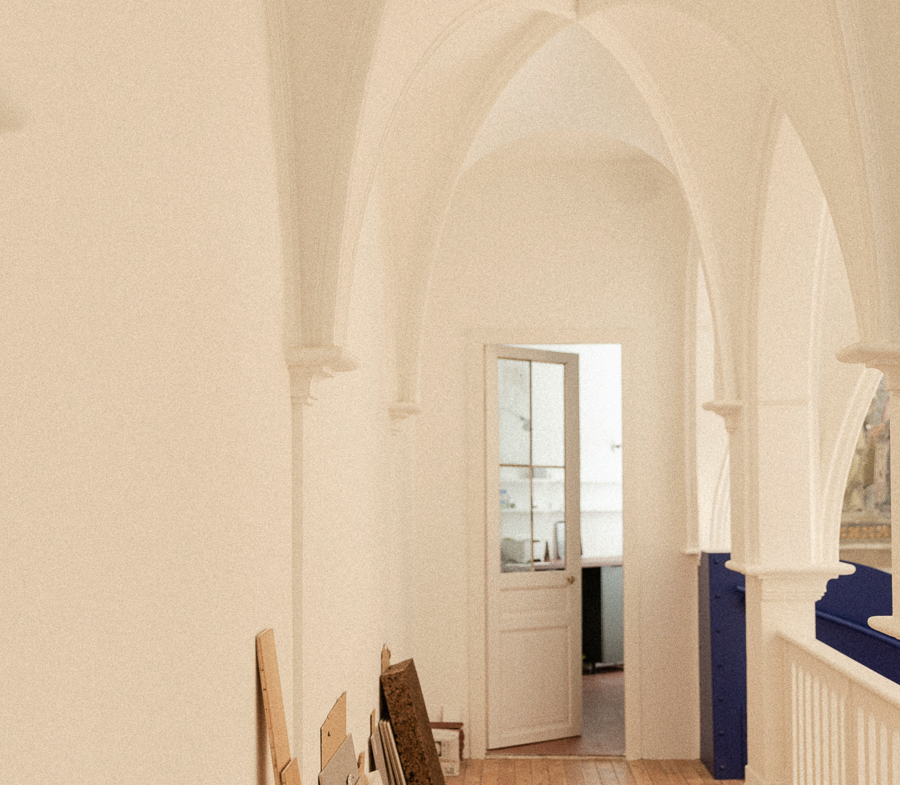
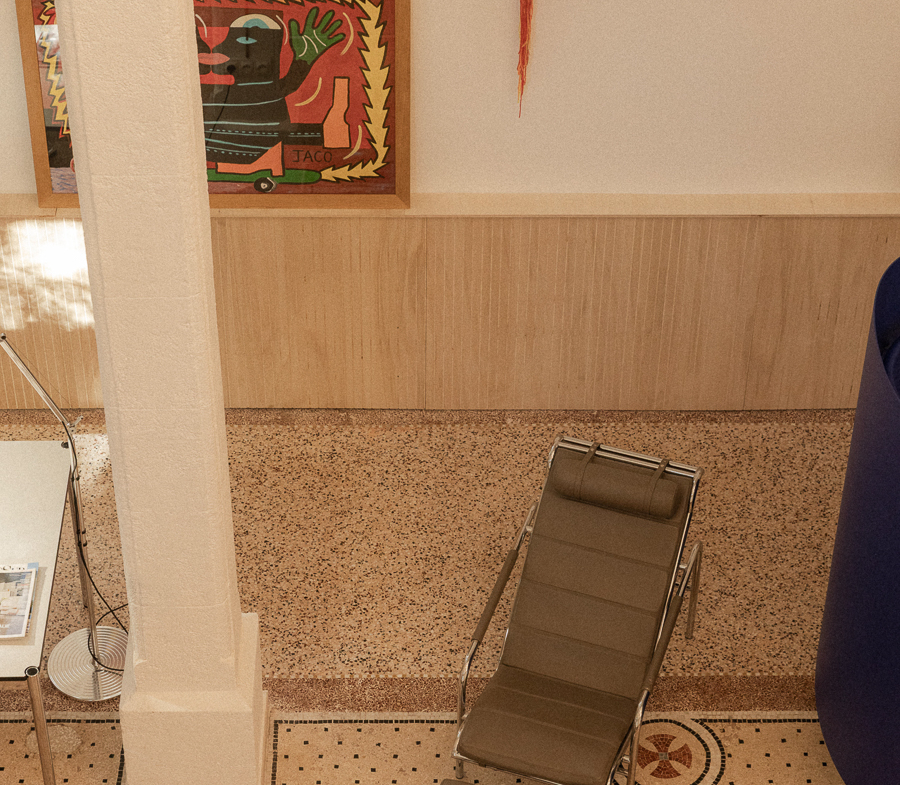
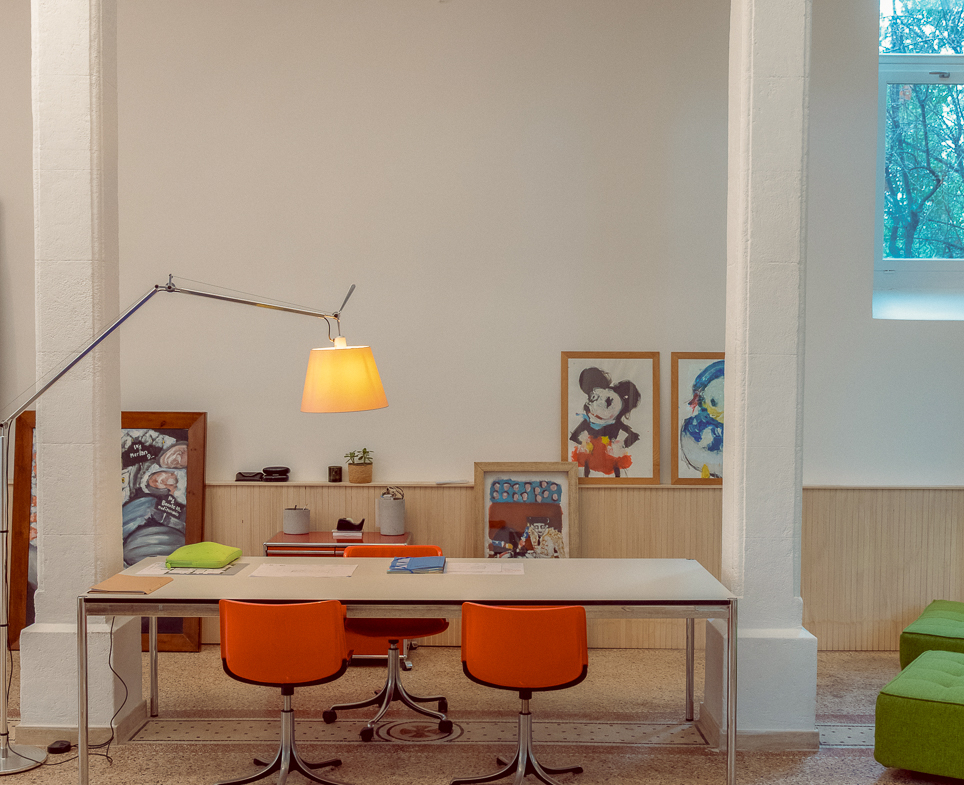
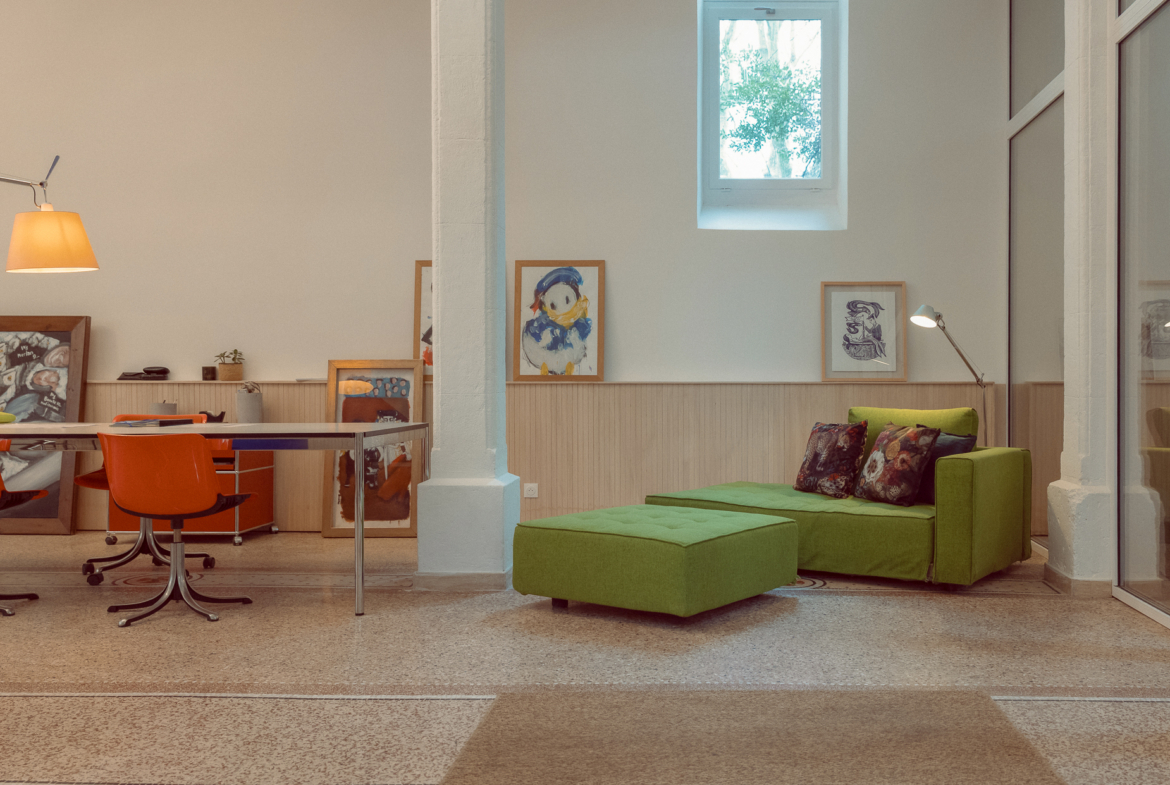
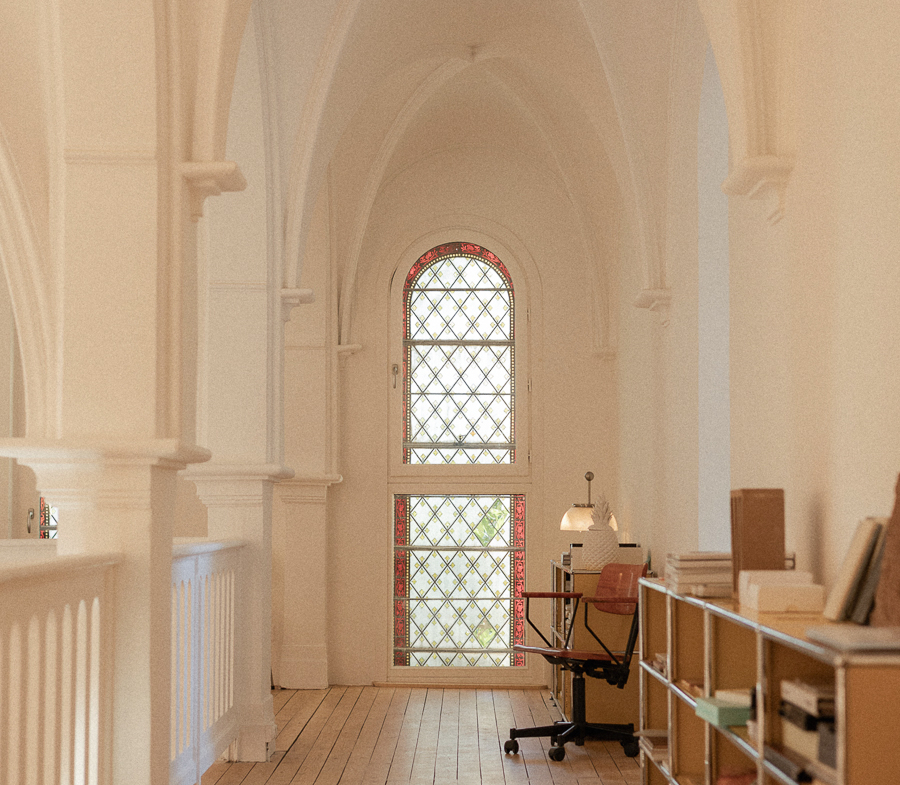
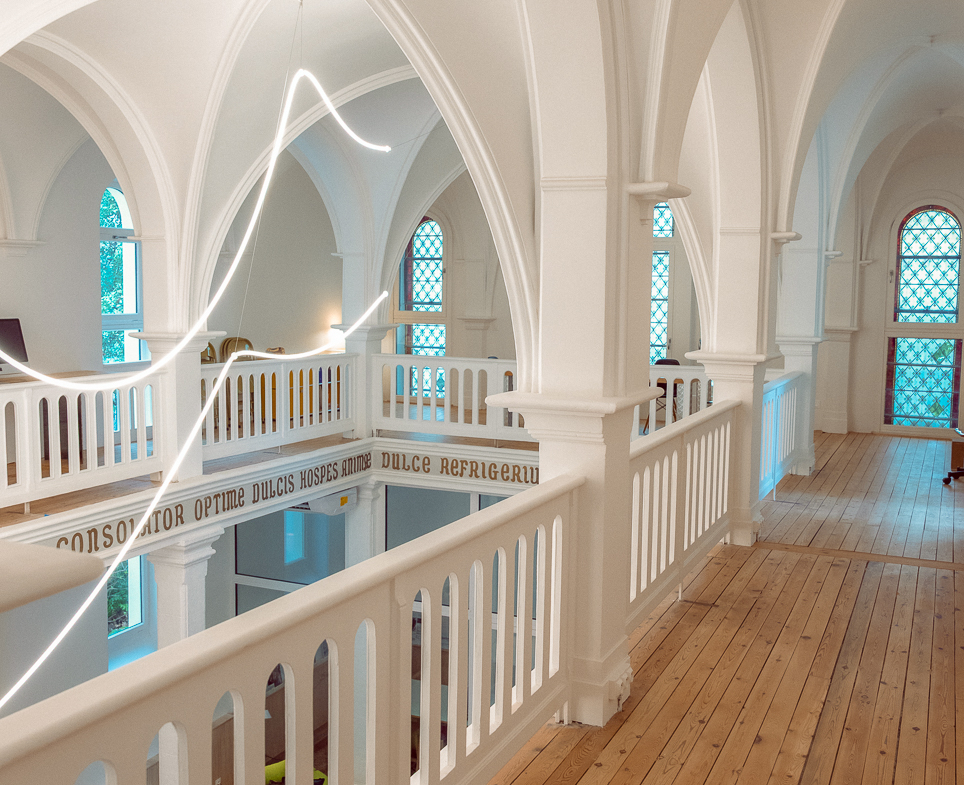
The volume of the former nave remains immediately legible, together with its soaring ceiling, restored terrazzo floor and surviving traces of the original decoration. Contemporary interventions have deliberately avoided imitation: most striking is a sculptural metal staircase finished in an intense Klein-blue hue.
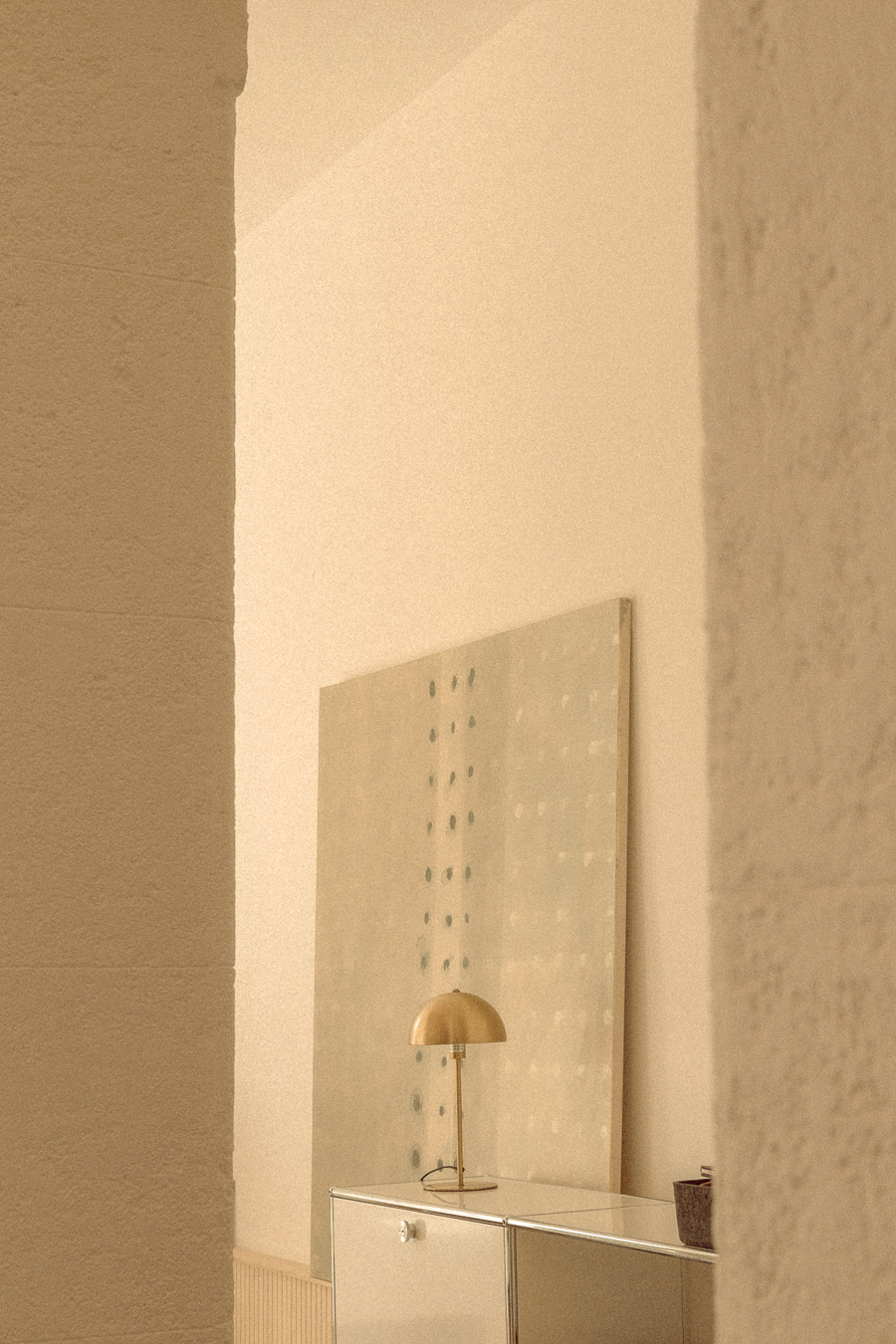
Bespoke elements crafted by renowned local artisans, carefully considered materials and long interior perspectives create a space that feels both monumental and unexpectedly intimate. The quality of the architectural transformation has also earned the project editorial recognition in a publication devoted to architecture, interiors and contemporary living.
The property further benefits from a private 40 sq m garden, two parking spaces and an external lift serving both levels.
A residential future already explored
Currently used as the owner’s professional practice, the chapel was originally intended for residential use.
Two residential conversion schemes have already been developed by the architects, exploring different ways of inhabiting the building while preserving its principal volume and architectural identity.
It could become an exceptional primary or secondary residence, potentially combined with a studio, creative space or private workspace — a home for someone seeking not simply somewhere to live, but architecture as part of a way of life.
Plans and details of both schemes are included in the property dossier, with implementation remaining subject to the relevant permissions and approvals.
Architecture that cannot be recreated
Historic buildings can be found in Montpellier. So can accomplished contemporary renovations.
What is considerably harder to find is an 1894 former convent chapel combining still-legible ecclesiastical architecture, recognised heritage status and a documented contemporary transformation undertaken with the approval of the ABF.
The chapel is formally listed among the protected buildings of remarkable quality within Boutonnet’s designated heritage area, establishing its architectural significance within Montpellier’s built heritage.
Its value therefore cannot be understood solely through floor area or price per square metre. It also lies in its provenance, the quality of its transformation and the opportunity to become the custodian of a place for which there is no true equivalent.
For a buyer who considers architecture itself to be something worth collecting and preserving — much like art or important design — this is an unusual proposition.
The building has already lived several lives: convent, chapel, professional space.
Its next owner will possess only one chapter of its history — and have the privilege of writing the next.
A comprehensive property dossier documenting the chapel’s history, heritage significance, architectural transformation, plans, technical information and proposed residential schemes is available to prospective buyers.
DPG Immobilier - specialising in distinctive character and heritage properties in France.
Synthèse
-
Référence 111481
-
Prix 945 000€
-
Surface habitable 218,10 m²
-
Pièces 2
-
Bathroom 1
-
Parking Spaces 2
-
Year Built 1894
-
Type de bien Chapel
-
Statut de propriété For Sale
Performance énergétique et climatique
-
Diagnostic de performance énergétique (DPE): A
-
Consommations: 41
-
Émissions de gaz à effet de serre (GES): A
-
Émissions de GES: 1
Diagnostic de performance énergétique (DPE)
Logement extrêmement performant
Logement extrêmement peu performant
Émissions de gaz à effet de serre (GES)
Faibles émissions de CO₂
Émissions de CO₂ très importantes